Hard/Graft: Towards Community Orchards
An art project by Seoidín O'Sullivan in association with Common Ground, developed as part of Studio 468's Citizen Artist Award (2017).
Hard/Graft explores questions of sustainable cities, access to land and food, and the creation of shared public spaces through the practice of commoning. Bringing together ecological action, collective making, and feminist inquiry, the project uses the act of tree grafting as both a practical and symbolic framework for thinking about care, labour, and community.
The title Hard/Graft plays on the dual meaning of graft: the horticultural practice of propagating fruit trees, and the labour involved in sustaining communities and caring for others. The project reflects on both visible and invisible forms of work, with a particular focus on reproductive labour, caregiving, and the often-unrecognised work of mothers and carers.
The Graft
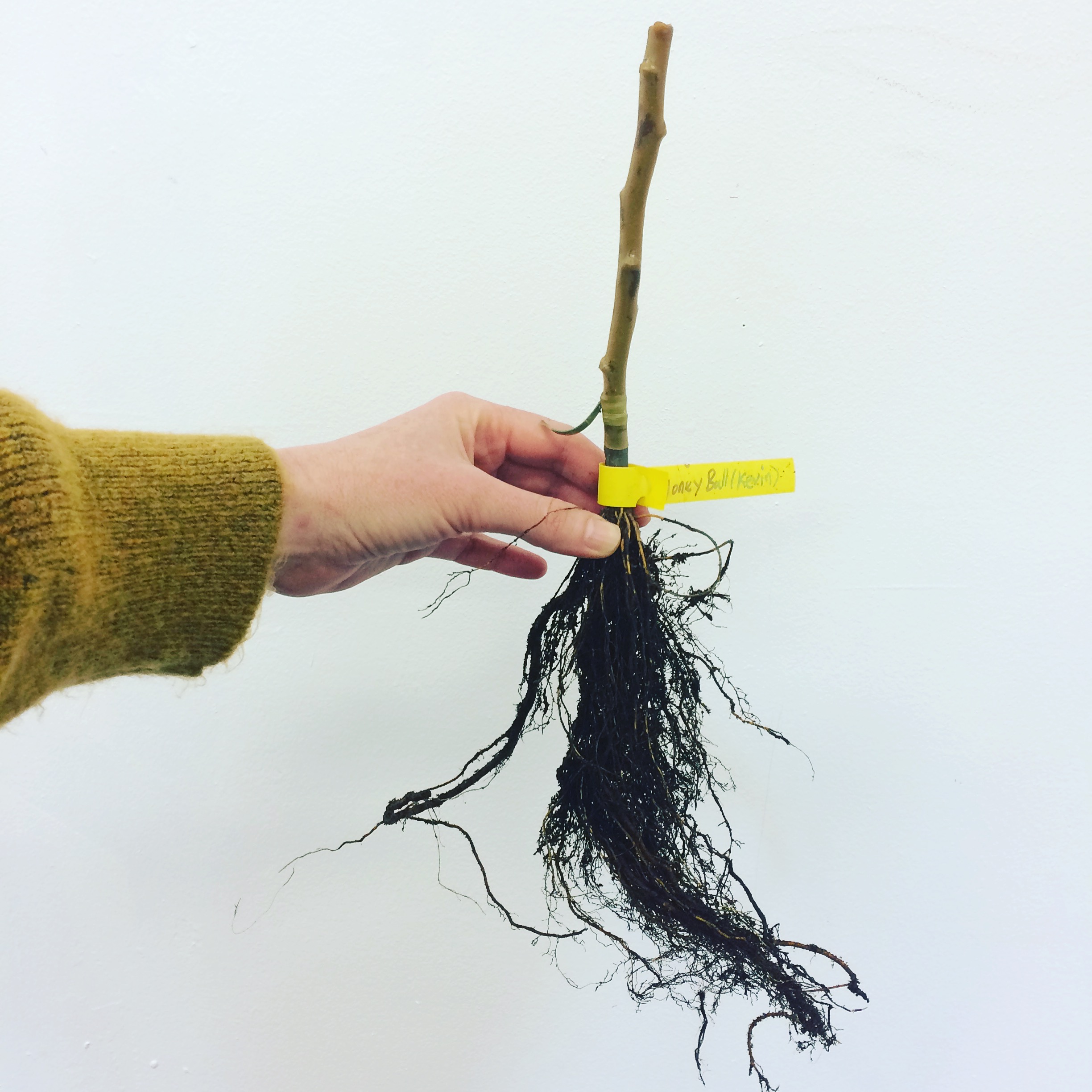
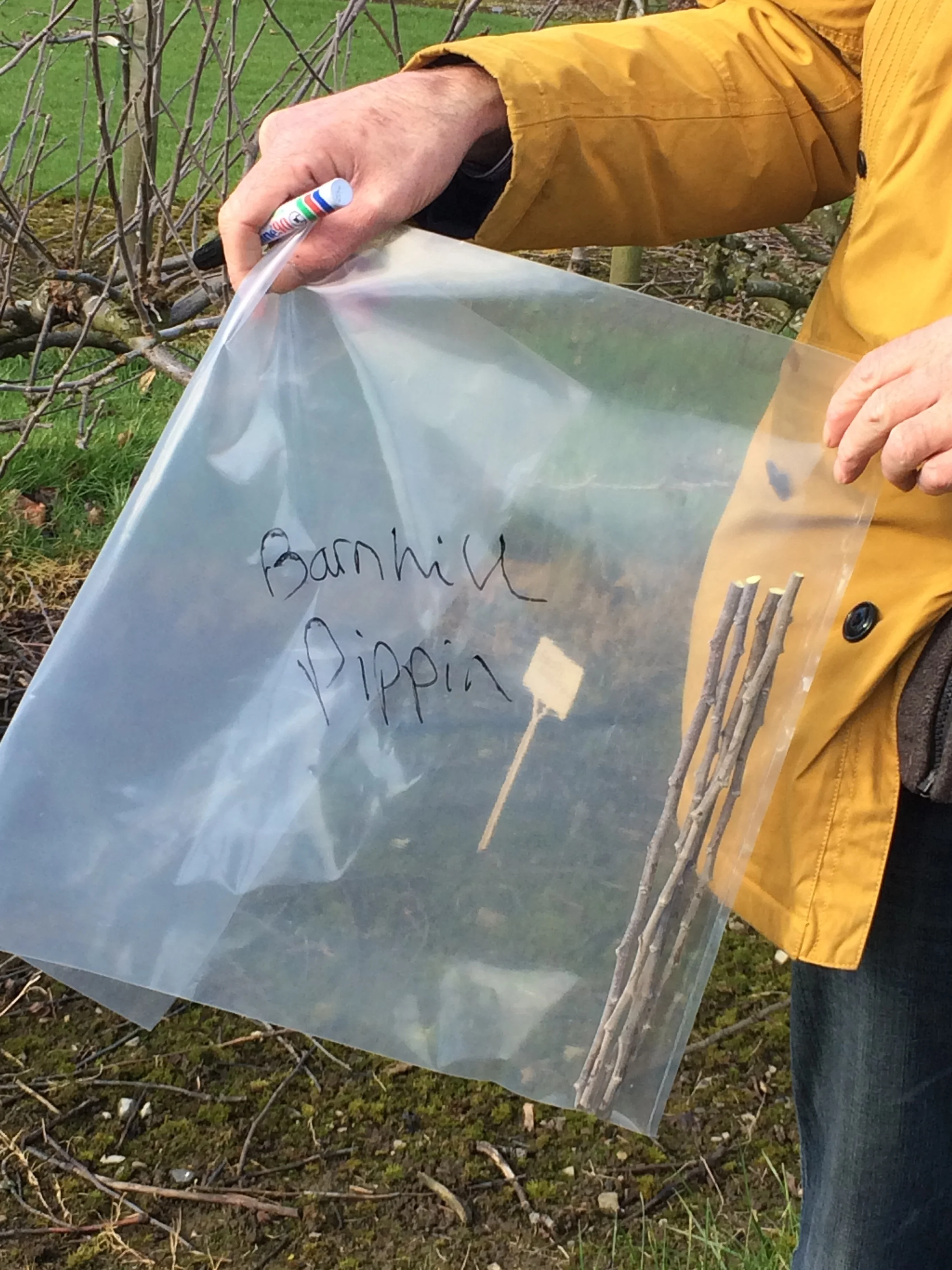
The project begins with the simple but transformative act of fruit tree grafting. By joining a scion from one tree onto the rootstock of another, new trees can be propagated from existing heritage varieties, allowing orchards to be collectively grown and shared.
Drawing on Gilles Deleuze and Félix Guattari's concept of the rhizome in A Thousand Plateaus, Hard/Graft considers grafting as a practice of connection rather than hierarchy. As they write:
"A rhizome has no beginning or end; it is always in the middle, between things... The tree is filiation, but the rhizome is alliance."
Through the collective acts of grafting, planting, and gathering, the project cultivates networks of solidarity, mutual care, and shared responsibility.
Towards Community Orchards
Working alongside local residents at St. Andrew's Community Centre, participants grafted heritage apple varieties sourced from University College Dublin to establish future community orchards in Dublin 8. These orchards are envisioned as diverse landscapes of fruit and nut trees, developed in collaboration with local communities and stakeholders.
Community orchards function as shared commons: places where people can freely access seasonal food, spend time together, support biodiversity, and create habitats for pollinators. They offer opportunities to reconnect with seasonal cycles while strengthening relationships between people, place, and the urban environment.
Feminist Reading Group
Alongside the planting project, Seoidín initiated a feminist reading group with a collective of mothers and carers. Together they explored questions of women's labour, domestic work, care, and the political potential of the home.
Meeting regularly, the group developed an evolving archive of texts and conversations that foregrounded the value of reproductive labour and created a space for collective reflection and solidarity. Readings included bell hooks' Homeplace and Silvia Federici's Wages Against Housework, among others.
Tree Politics
Hard/Graft also asks broader questions about the politics of urban trees.
Who has access to green space? Where are fruit trees located within the city? How are trees connected to histories of ownership, privilege, and public space?
By planting community orchards, the project proposes trees not only as ecological infrastructure but as living commons—sites of care, food sovereignty, and collective imagination.