Holdings Solstice Arts Centre
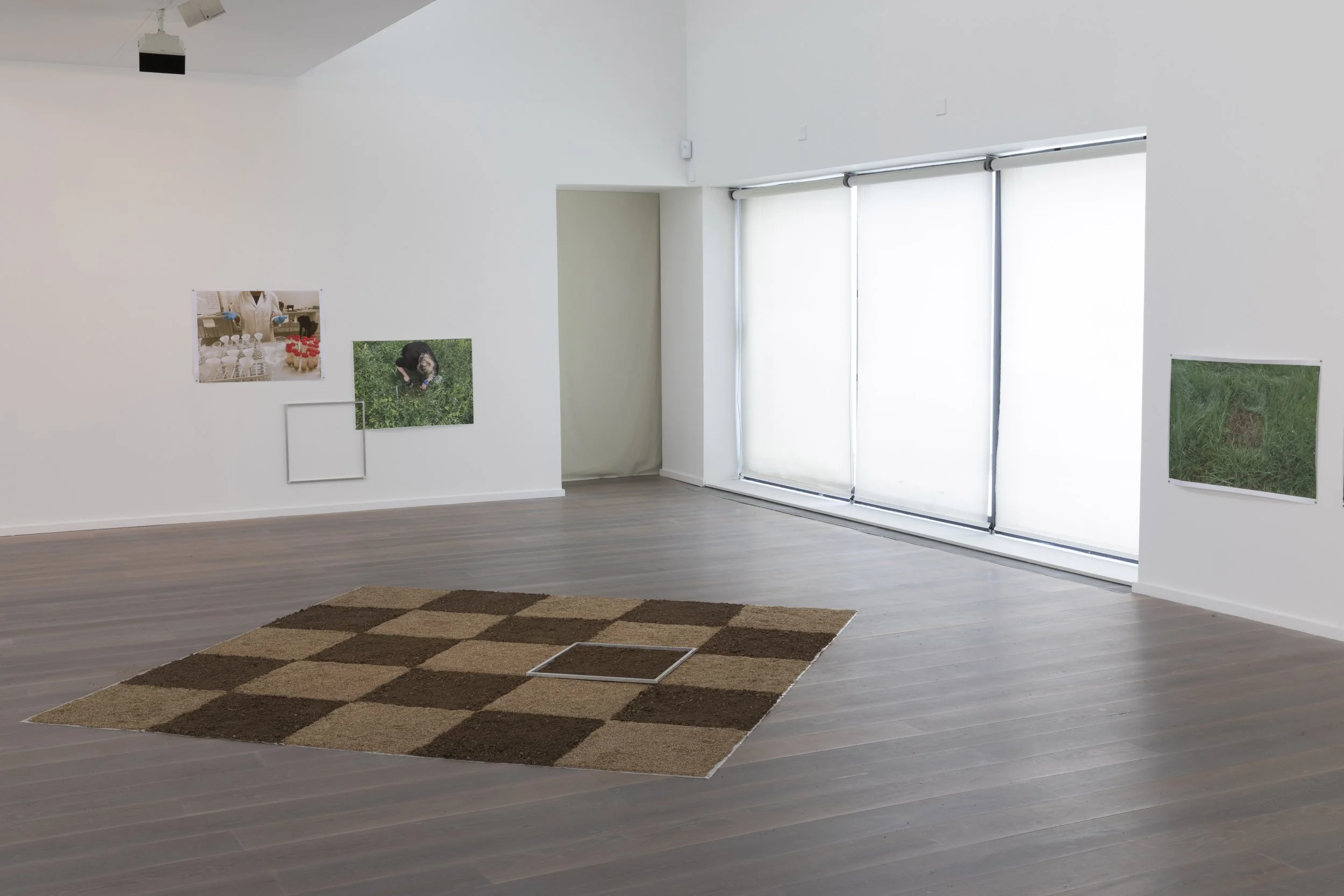
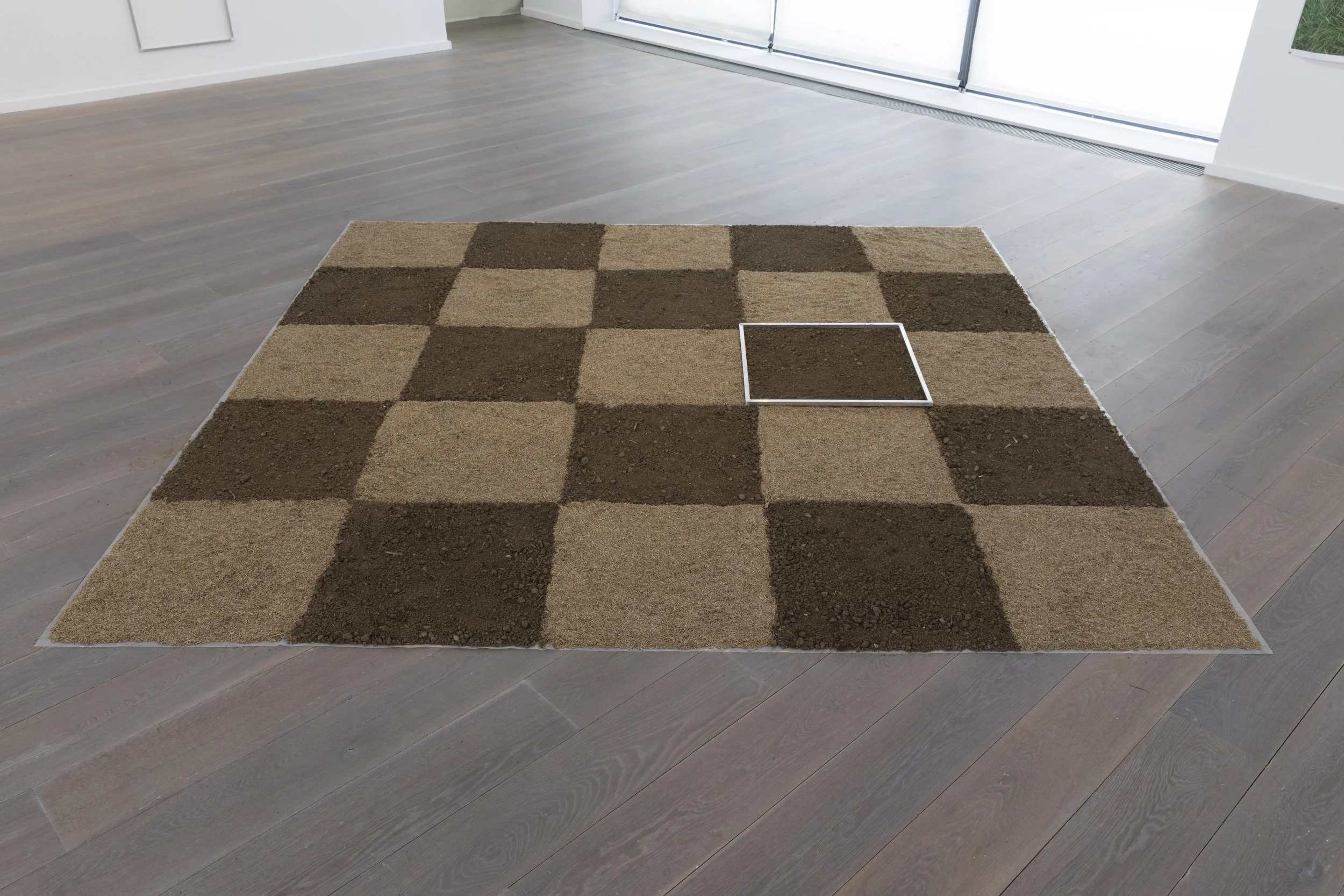
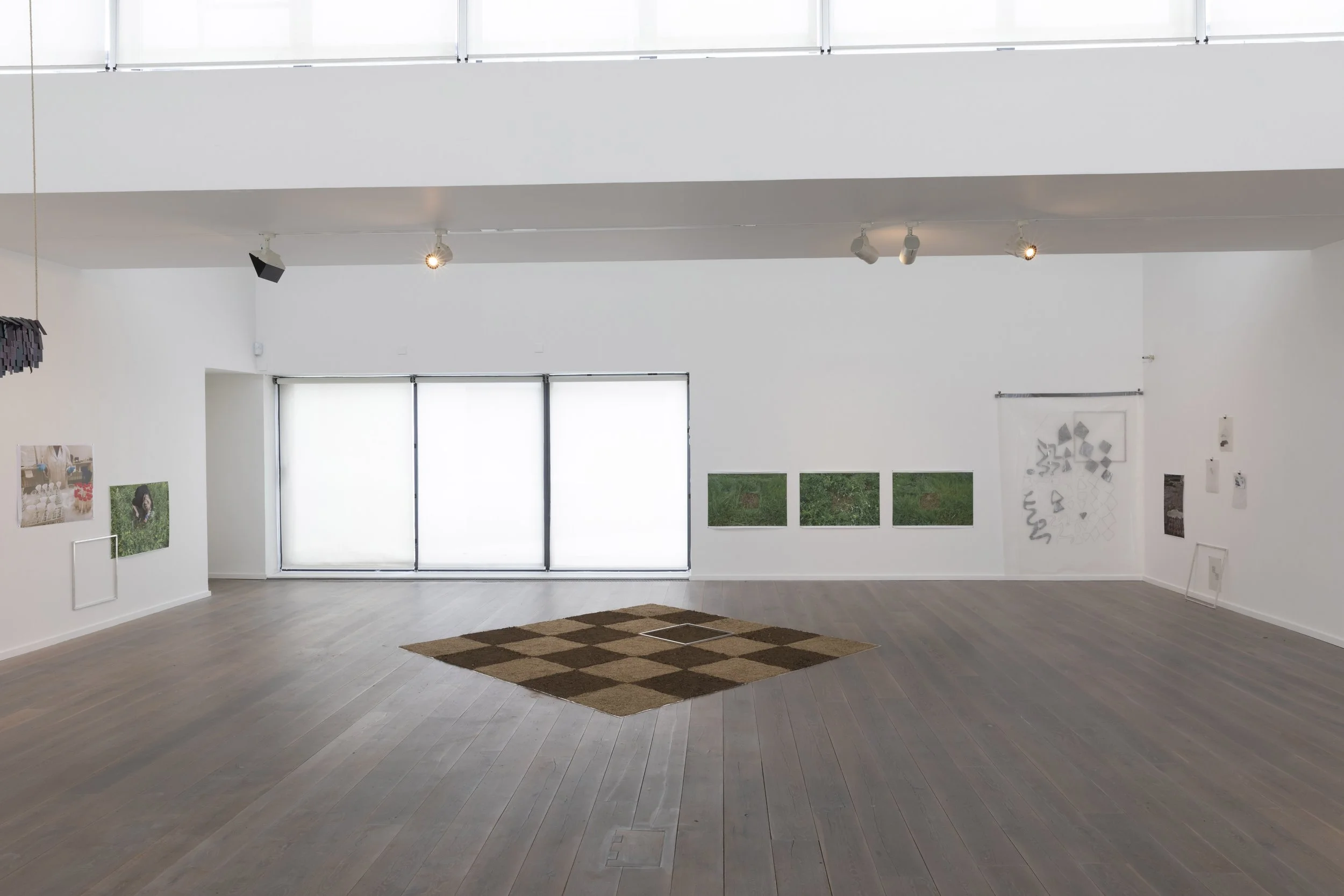
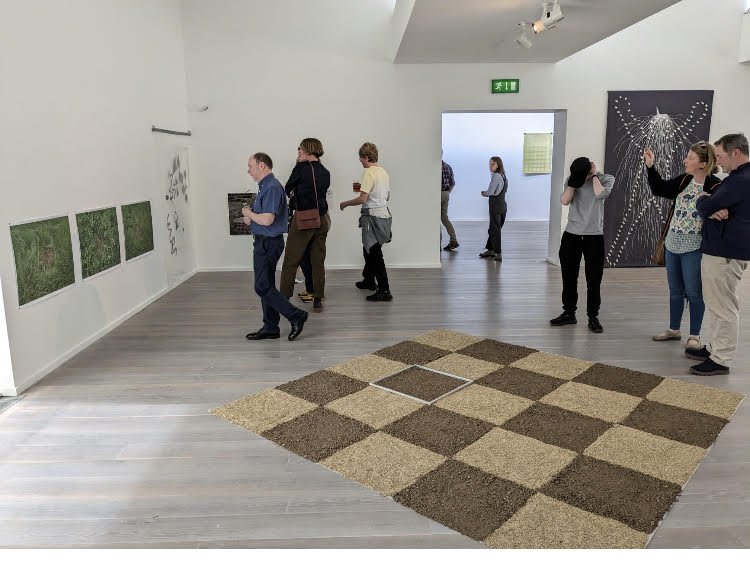
Holdings draws on research developed during Seoidín O'Sullivan's artist residency with Dowth, tracing two lines of enquiry that emerged from the farm's biodiversity test plots.
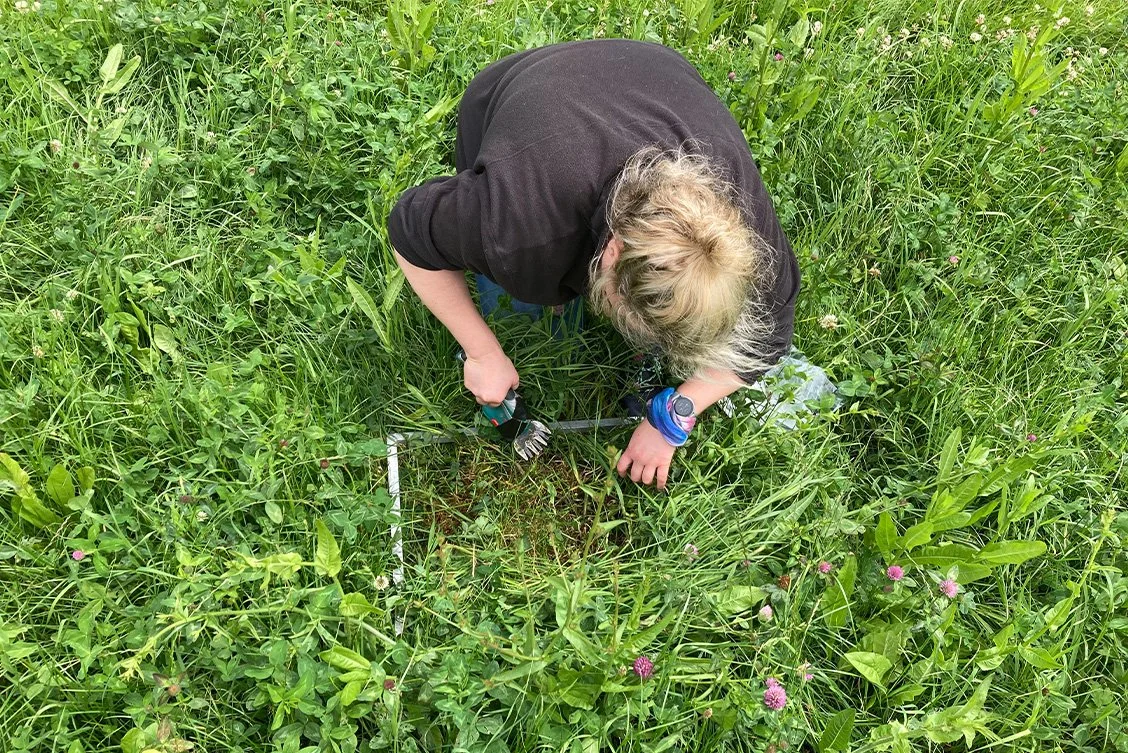
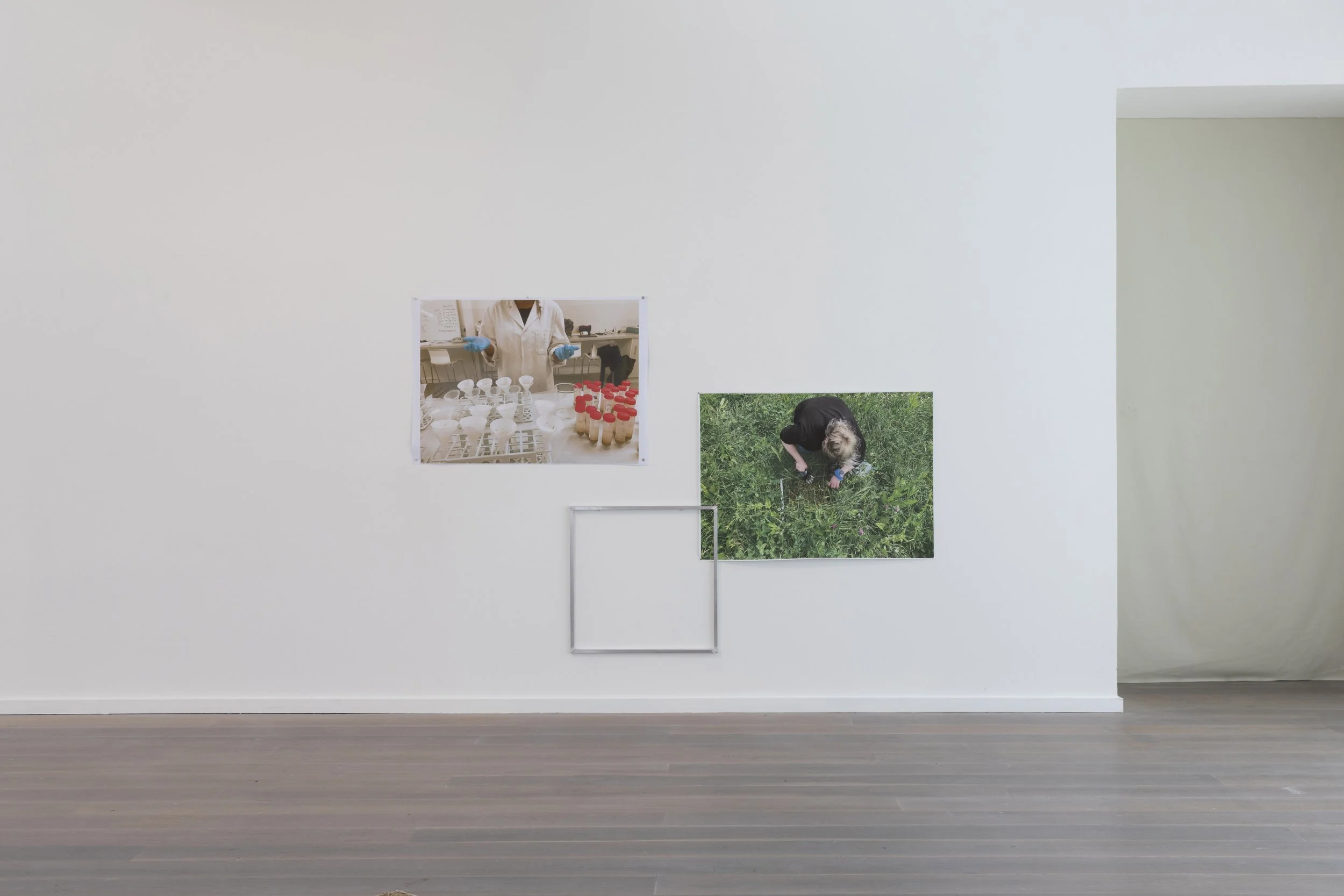
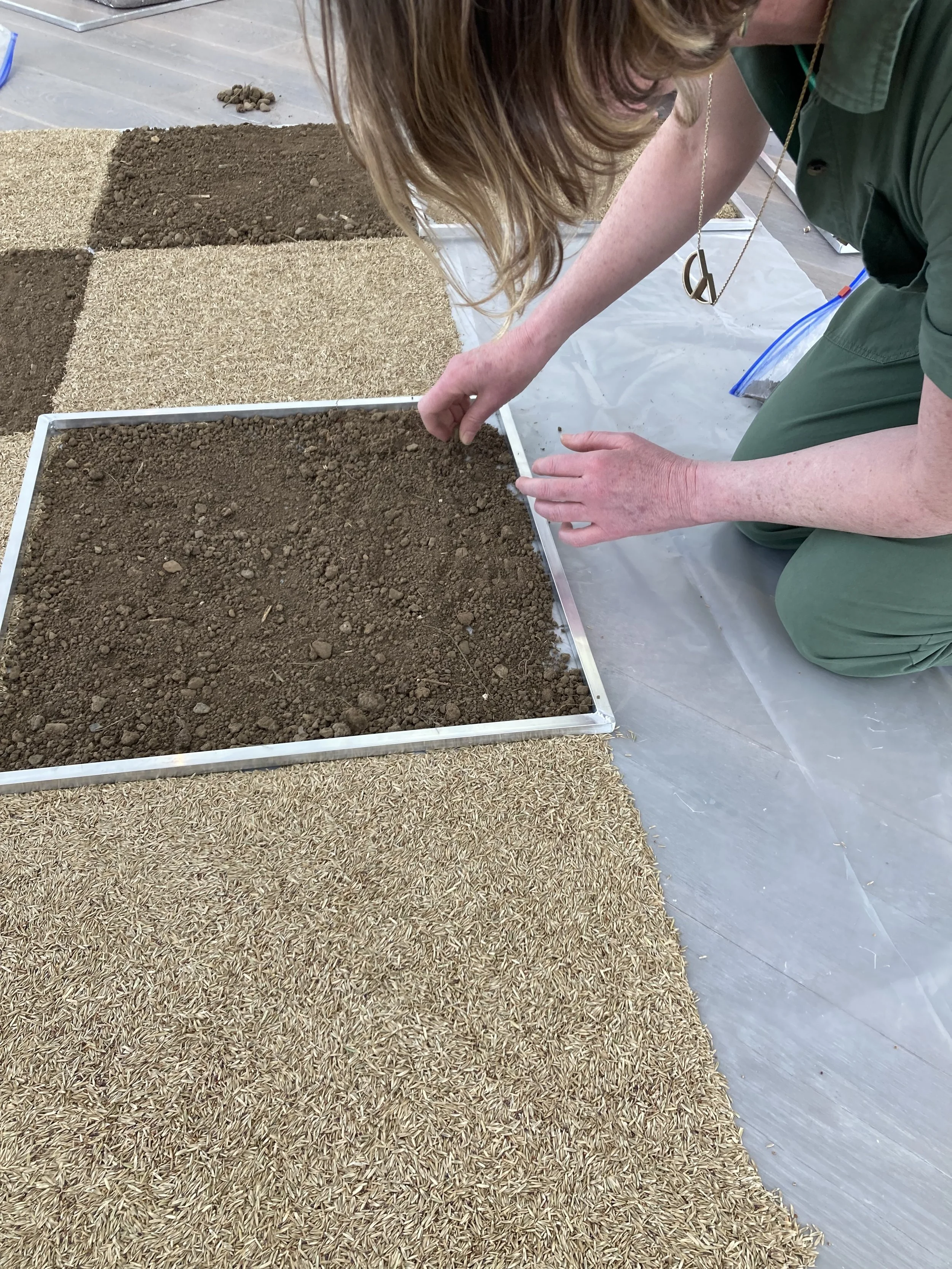
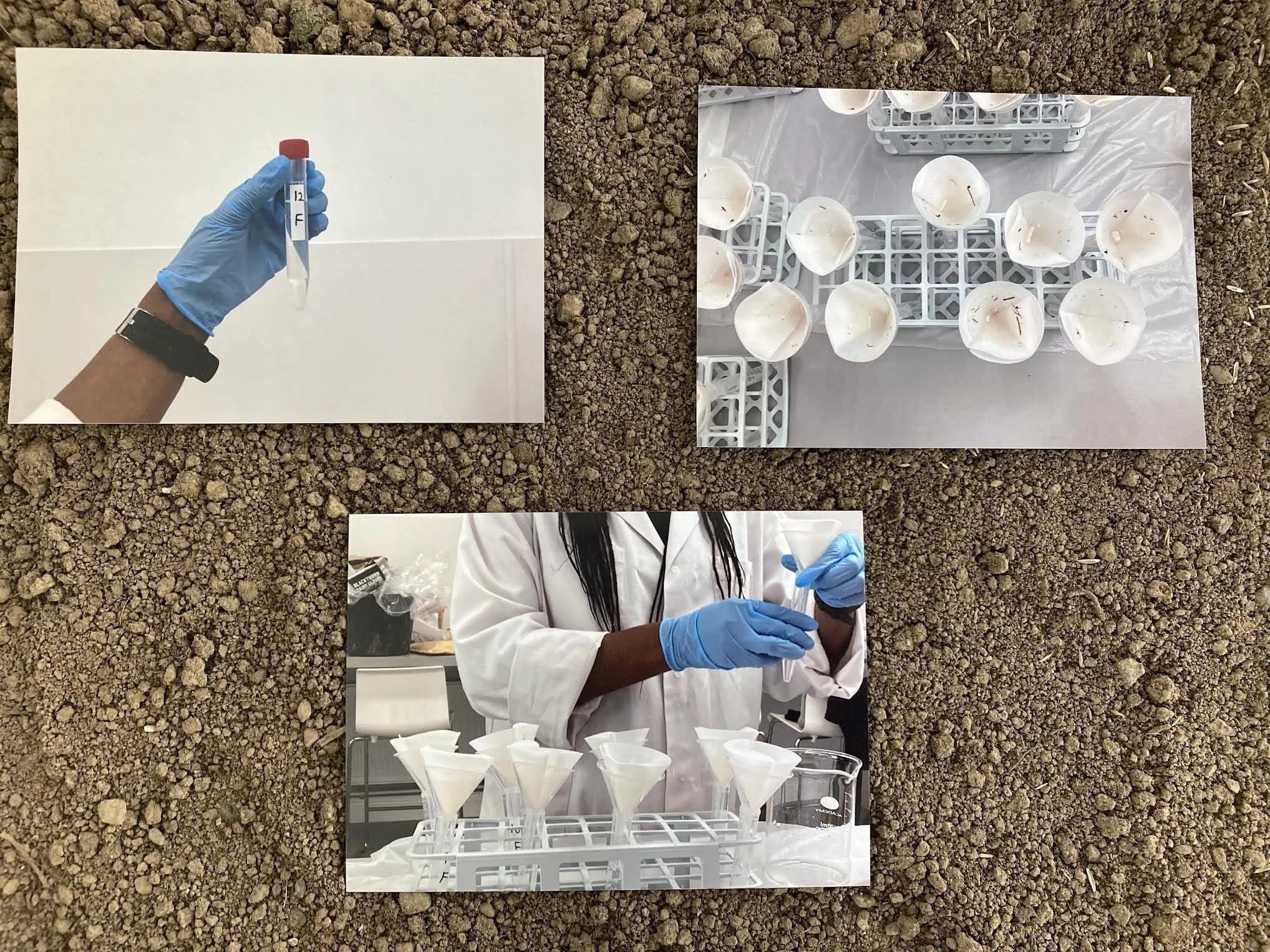
The first follows soil. Shadowing Nigerian soil scientist Omotola through a day of testing at Dowth, O'Sullivan gathered photographs and video that trace the health of soil and its stakes for climate futures and communities. The work carries her own history — growing up in Kitwe, Zambia, and later Durban, South Africa, where industrial farming and mining have left toxic ground for the communities who depend on it.
The second follows herb. Test plots at Dowth are measuring the nutritional value of biodiverse grassland for animal and meat health, evidence for a shift toward more sustainable farming. O'Sullivan's footage of this fieldwork looks at the process through a feminist lens, attentive to the labour of caring for and maintaining land.
Together, these threads sit within O'Sullivan's wider practice: collaborative projects that bring people together to protect and shape their local commons, addressing land use, lost knowledge, social justice, and biodiversity. She was part of the group that founded Dublin's first community garden, on the canal at Dolphin's Barn, in 2005, and her recent project PLOTS invites participants to collectively map Dublin's southwest inner city through field work, walking, and drawing.
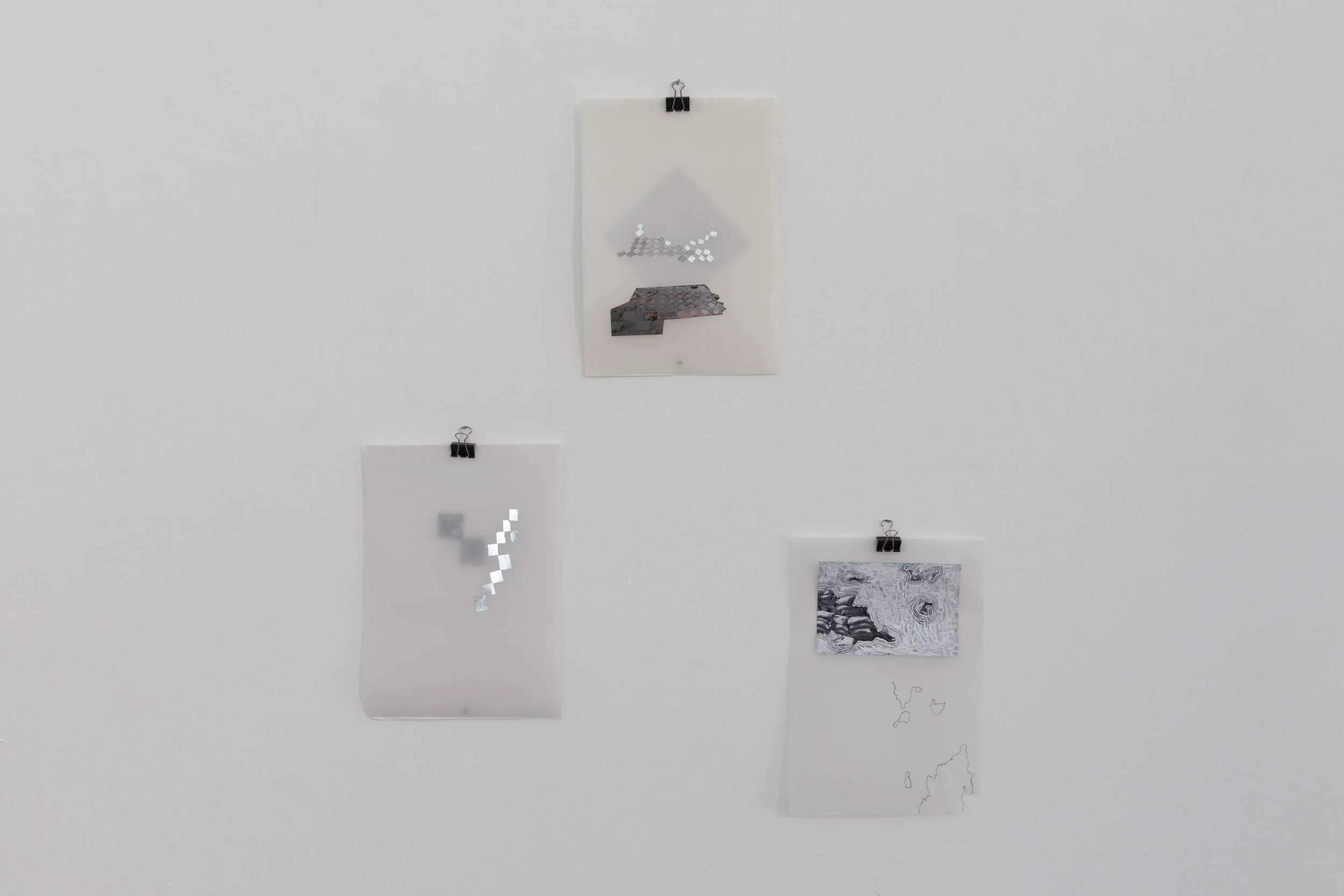
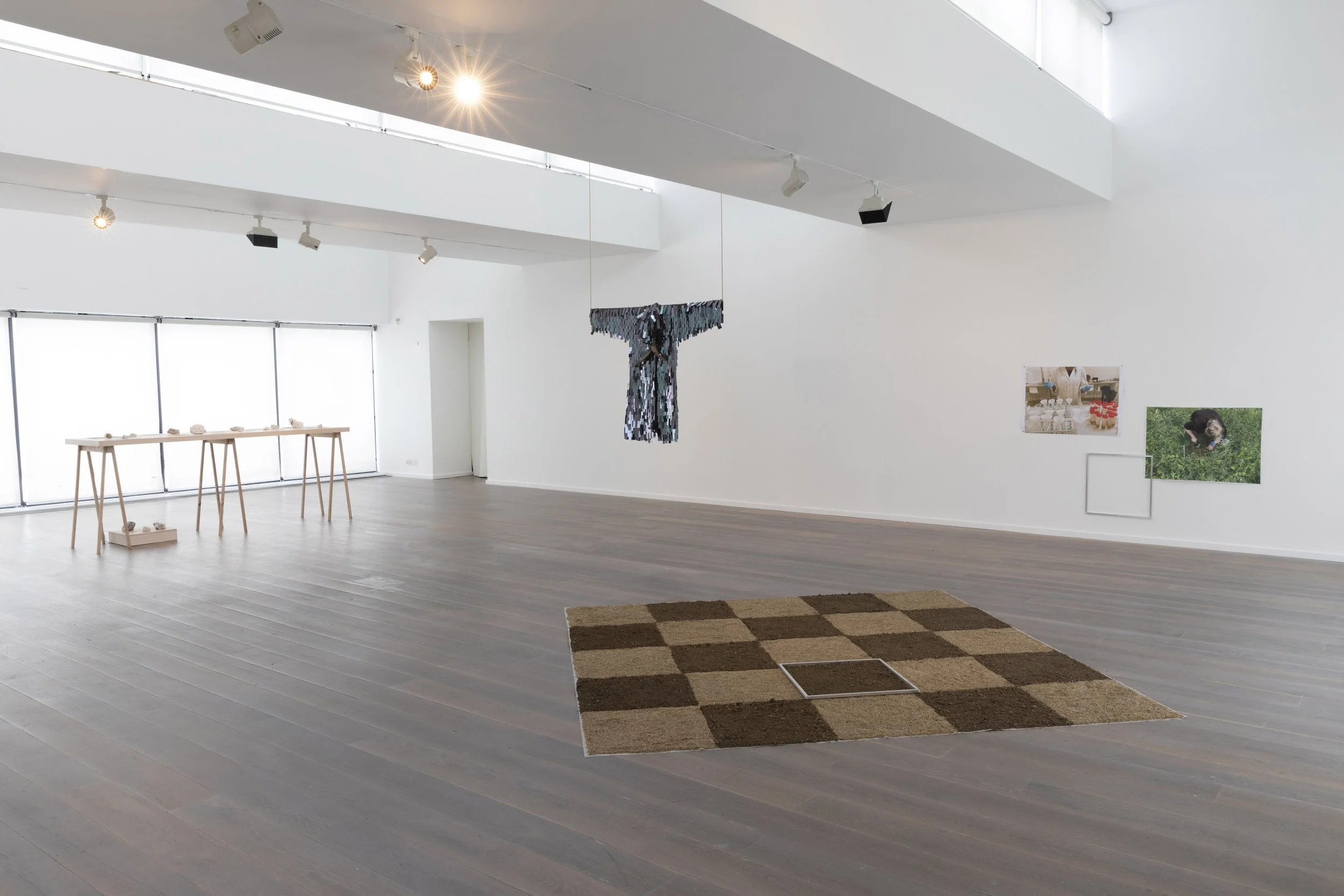
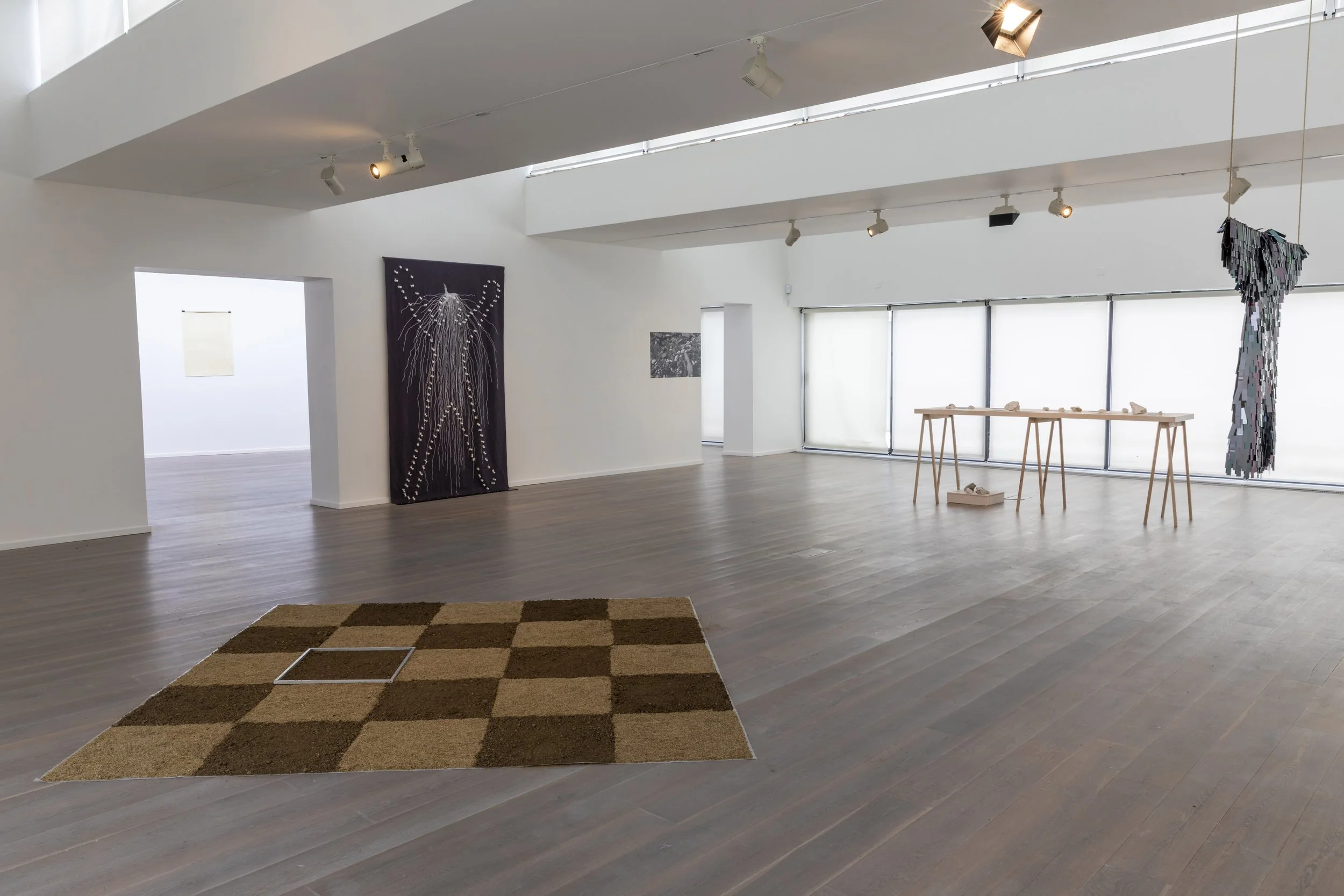
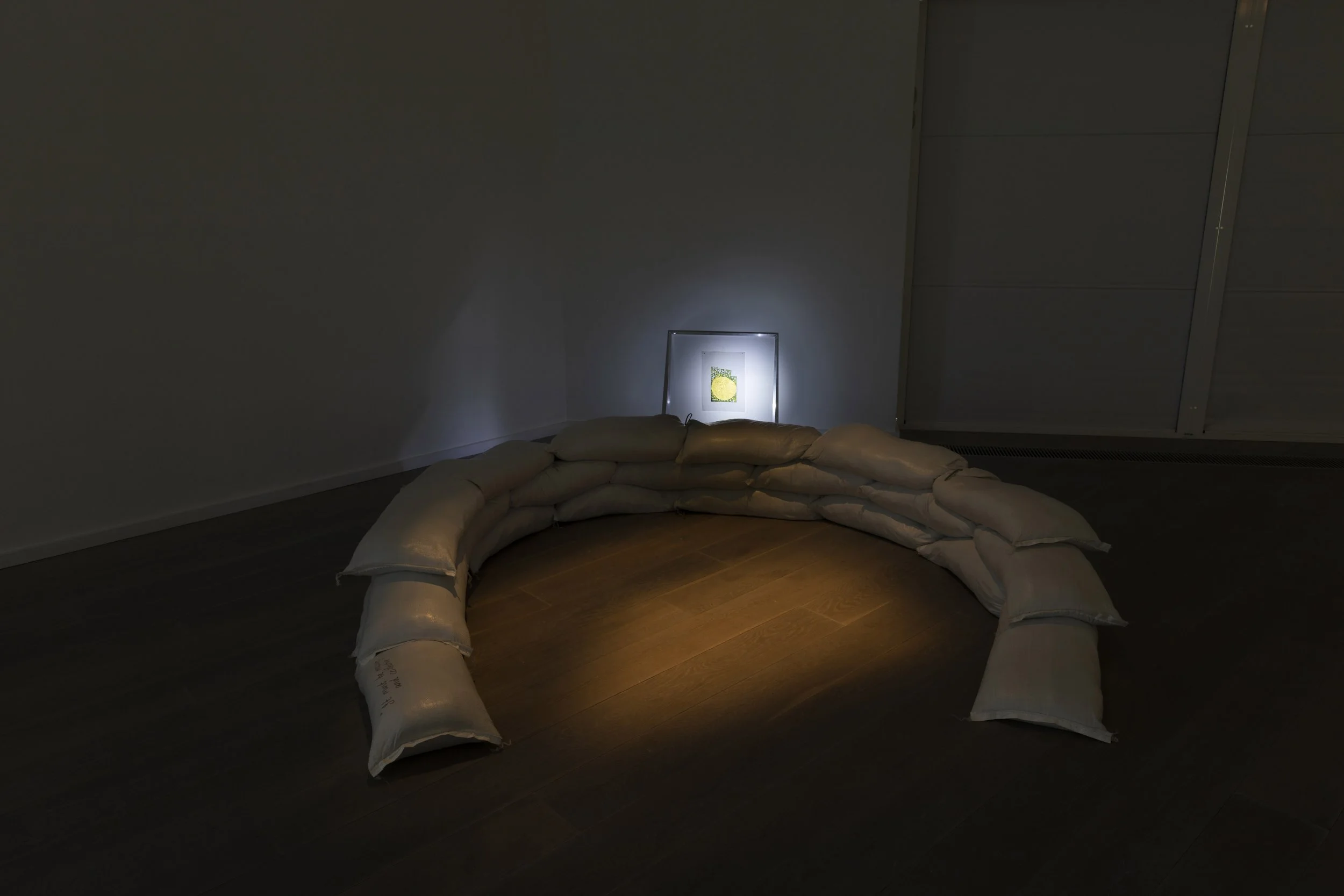
LHoldings
Cliona Harmey, Maria McKinney, Rachel Doolin with Anne Marie Deacy, Seoidín O'Sullivan, Martina O Brien.
Solstice Arts Centre, Sat 06 May - Sat 17 June
Opening Reception: Sat 06 May, 2:30pm, all are welcome, no booking required.
This exhibition emerges from artist interaction with the unique site at Devenish Lands at Dowth. Solstice invited each artist to explore the lands and its habitation. The site’s distinctiveness draws from the complex layering of histories as neolithic farmlands, its georgian dwelling Dowth Hall, to the innovative agri-research laboratory of Devenish. The farm sits in the iconic curvature of the Boyne Valley.
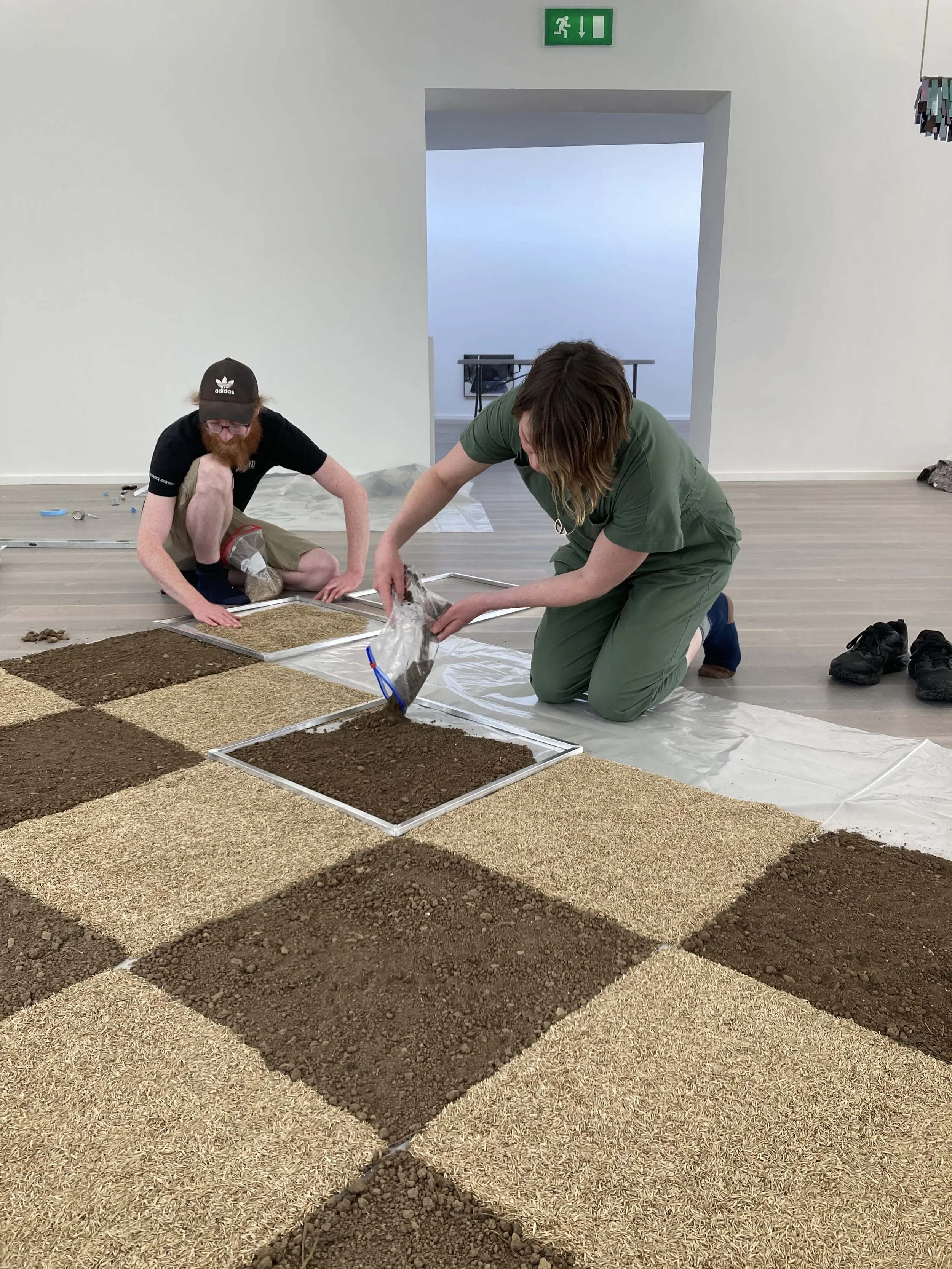
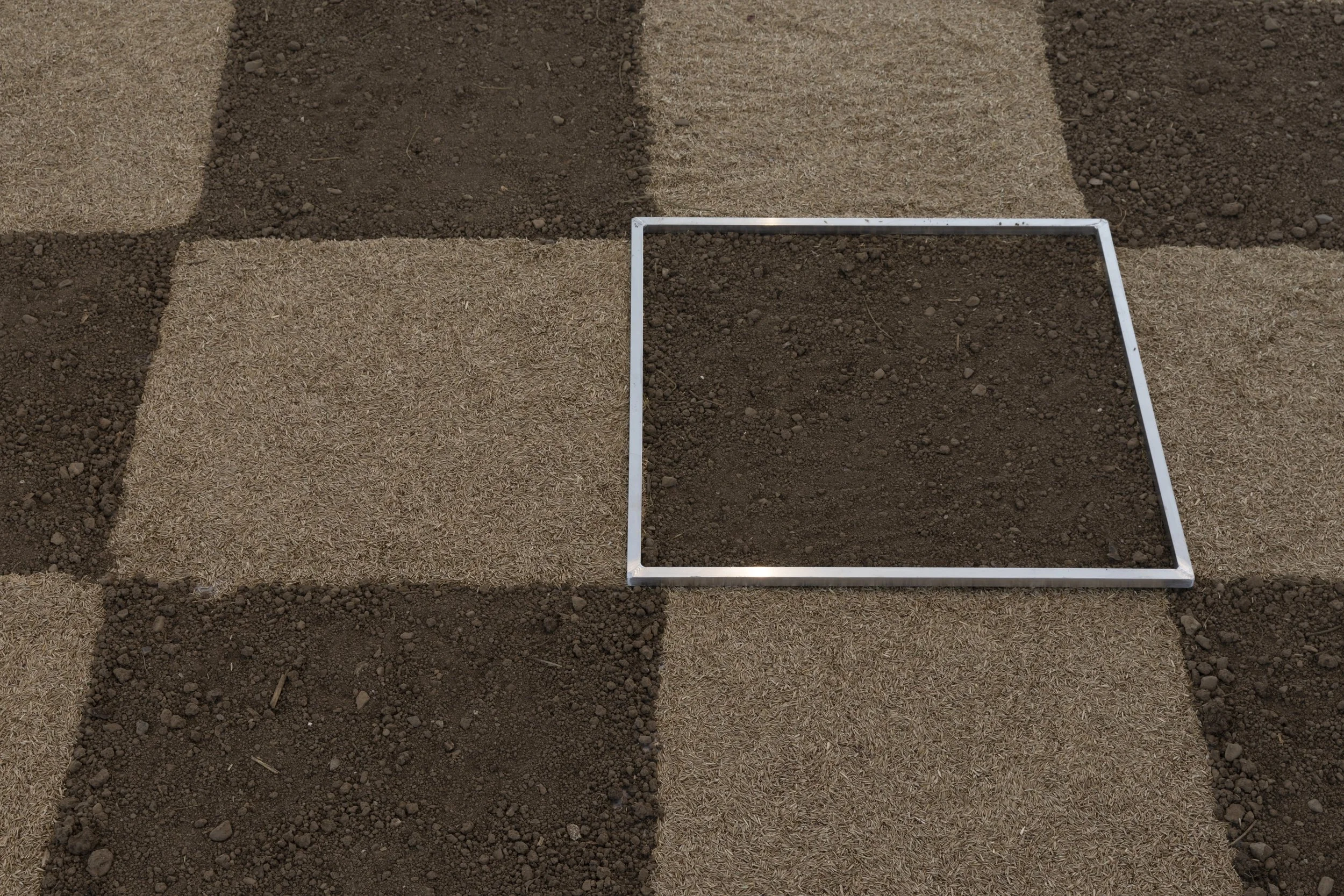
Maria McKinney’s practice reflects on the wider societal implications brought about by developments in agriculture and genetic research. As part of her ongoing examination into the complex science of food production for our growing human population, McKinney handcrafts sculptural installations exploring animal feed manufactured by Devenish, and soil mycology. Beginning from the ancient stone carvings at Dowth, Cliona Harmey explores the future past of solar significance of the site through experiment in light reactive substances. Harmey’s practice looks to both historical and contemporary technologies, both trialling DIY tech and 19th century anthotypes, in which images, derived from photosensitive plant material develop in sunlight. Seoidín O’ Sullivan's fieldwork explores the soil ecology, and research methodologies undertaken by female scientists at the lands of Dowth. O’Sullivan correlates the quadrat, a key grass measurement device, to the ancient devices of sator, rebus and mathematical magic square. Martina O’Brien practice poses questions concerning our failing hubristic control of nature, and the duality of haptic and technological systems. Here O’Brien manually and methodically collects feral night-time footage on the lands, harvested from CCTV she distributed throughout the property. Rachel Doolin, with Anne Marie Deacy, speak to the ancient soundings and the use of white quartz stones known as ‘Clocha Geala’ at neolithic burial sites. They will explore the vibrational energies of the lithic remnants at Dowth Hall, mining meaning and insight from the hidden vernacular of the site.