Revolving School
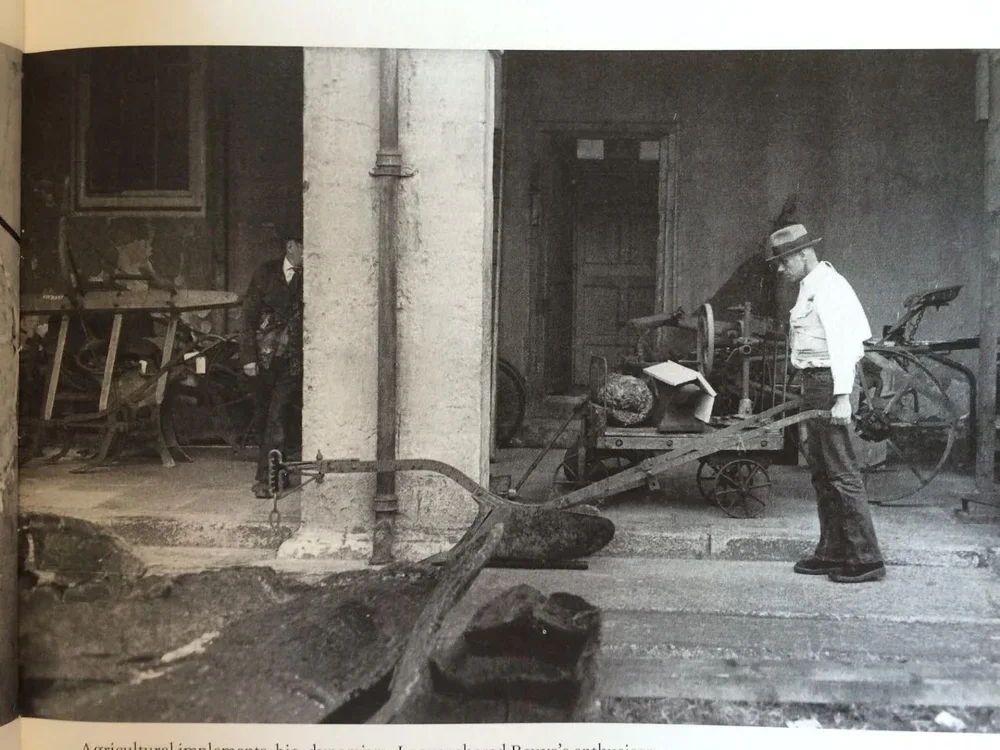
Revolving School was developed during an artist residency at Grizedale, supported by the Irish Museum of Modern Art (IMMA) in 2016 as part of A Fair Land. Inspired by this image of Joseph Beuys taken by Caroline Tisdale at the Museum when he was investigating a site for his Free International School in 1974.
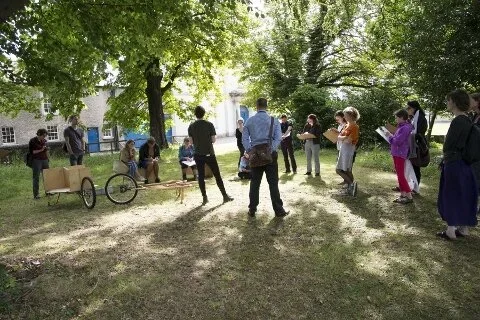
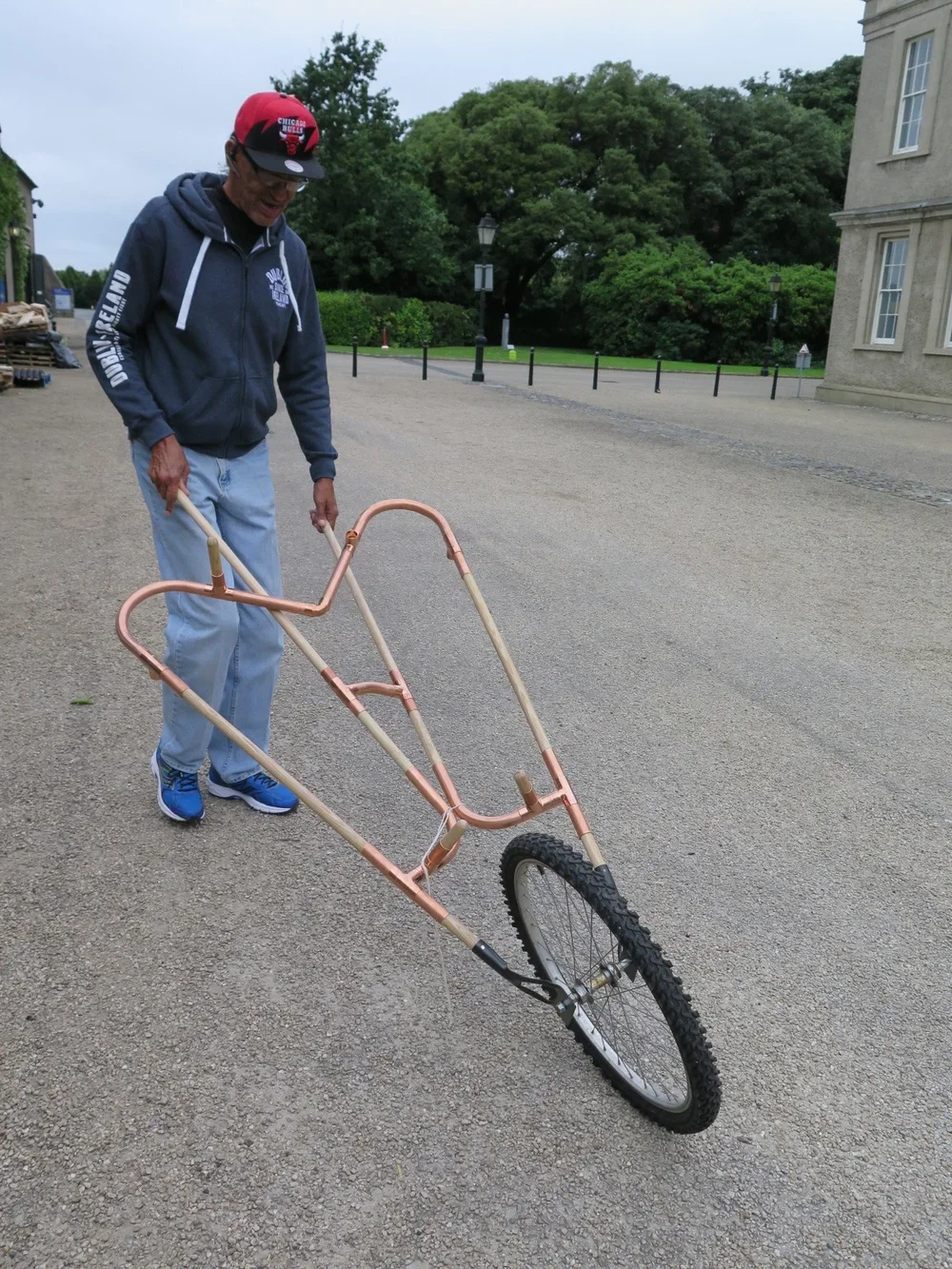
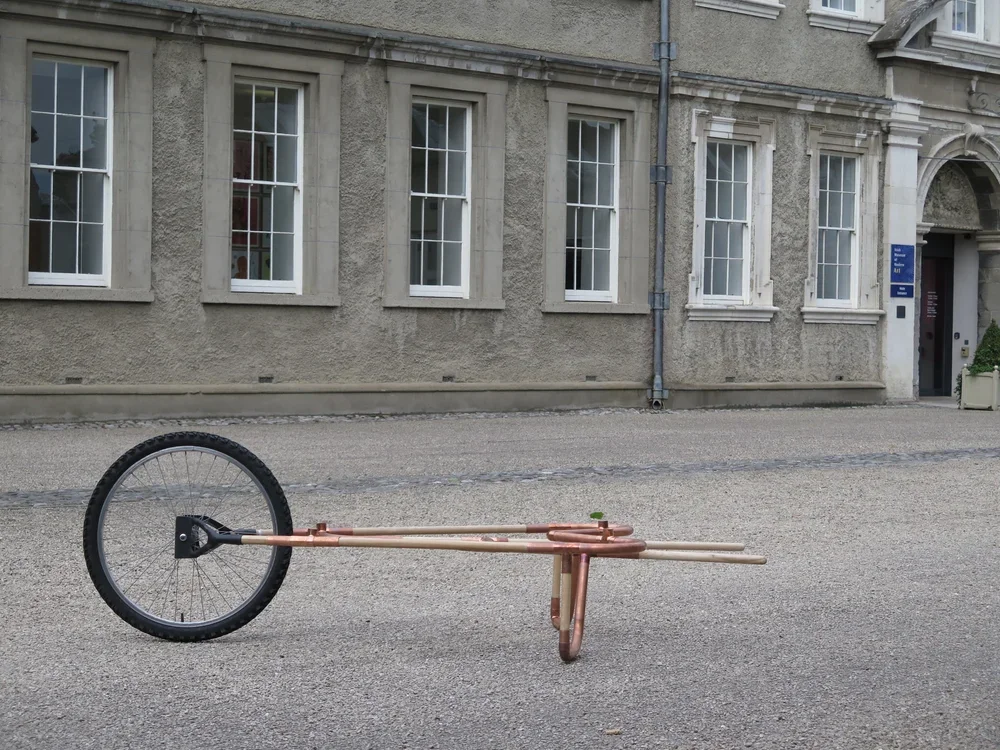
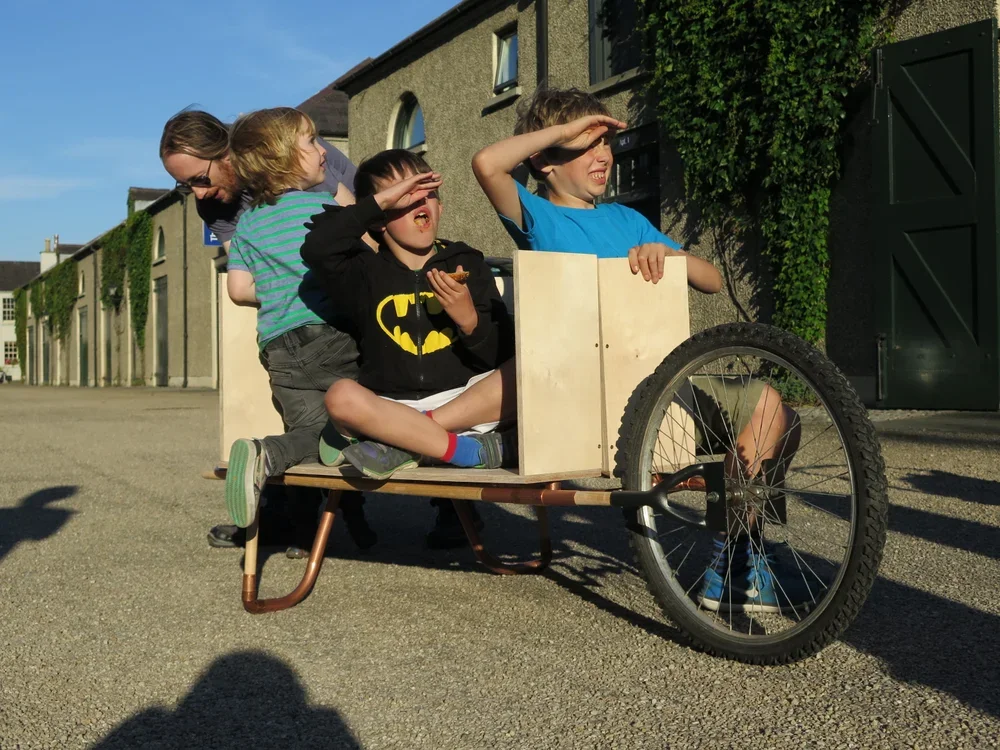
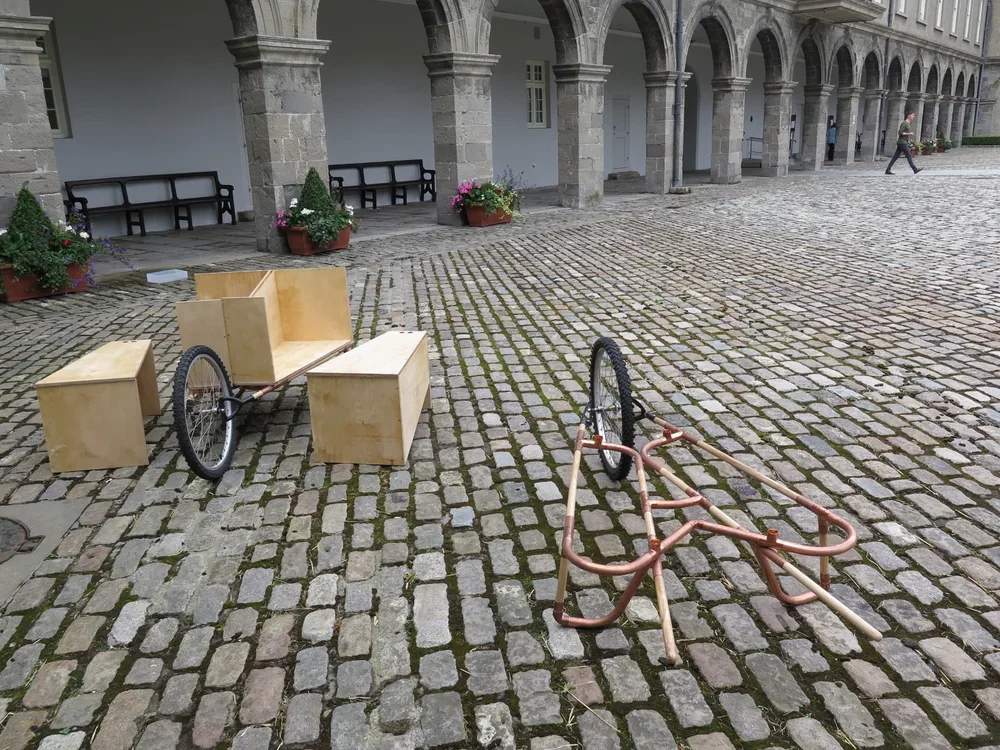
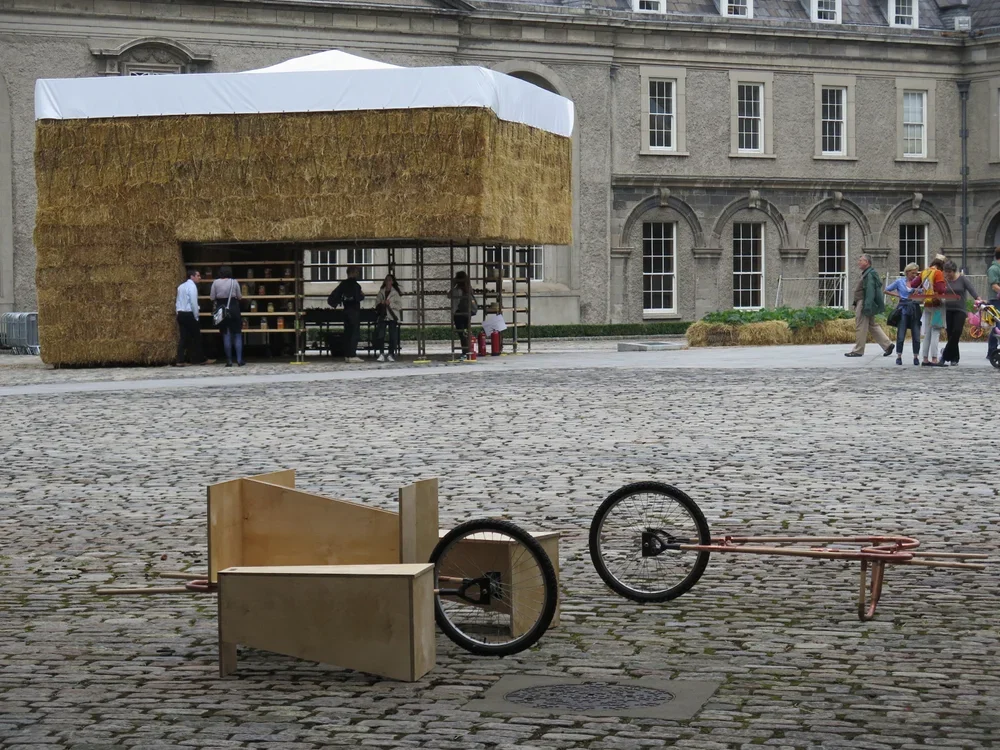
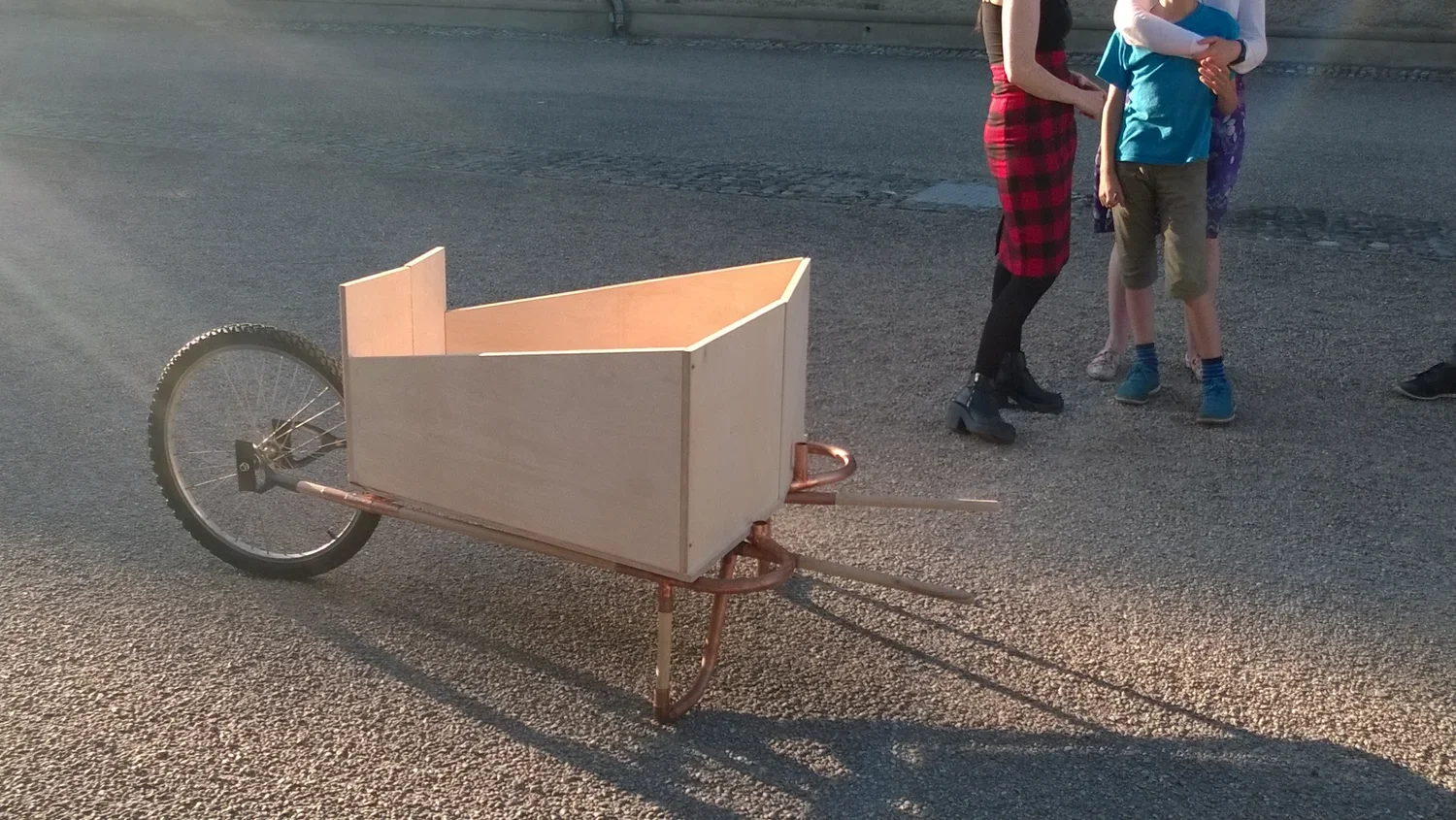
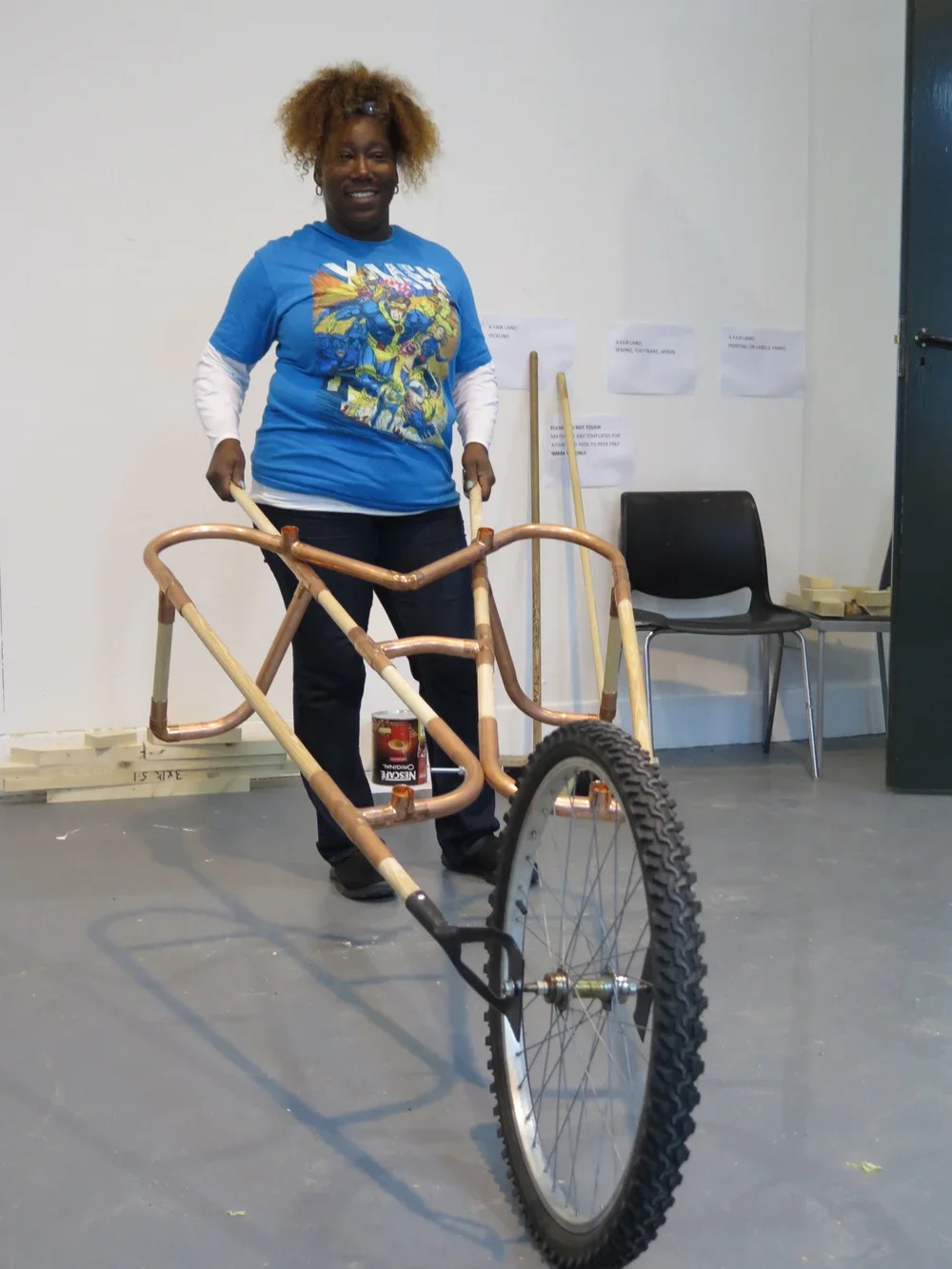
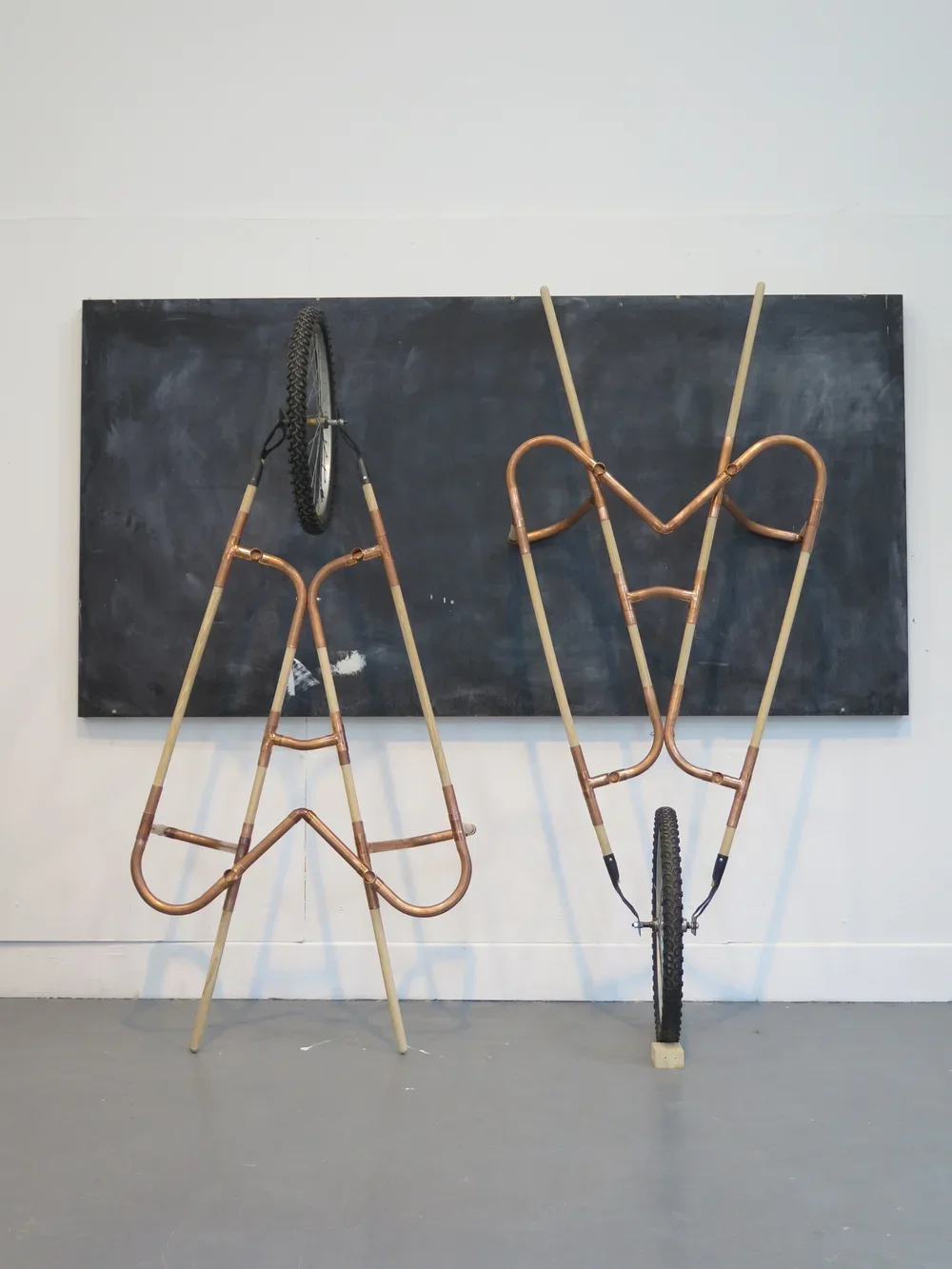
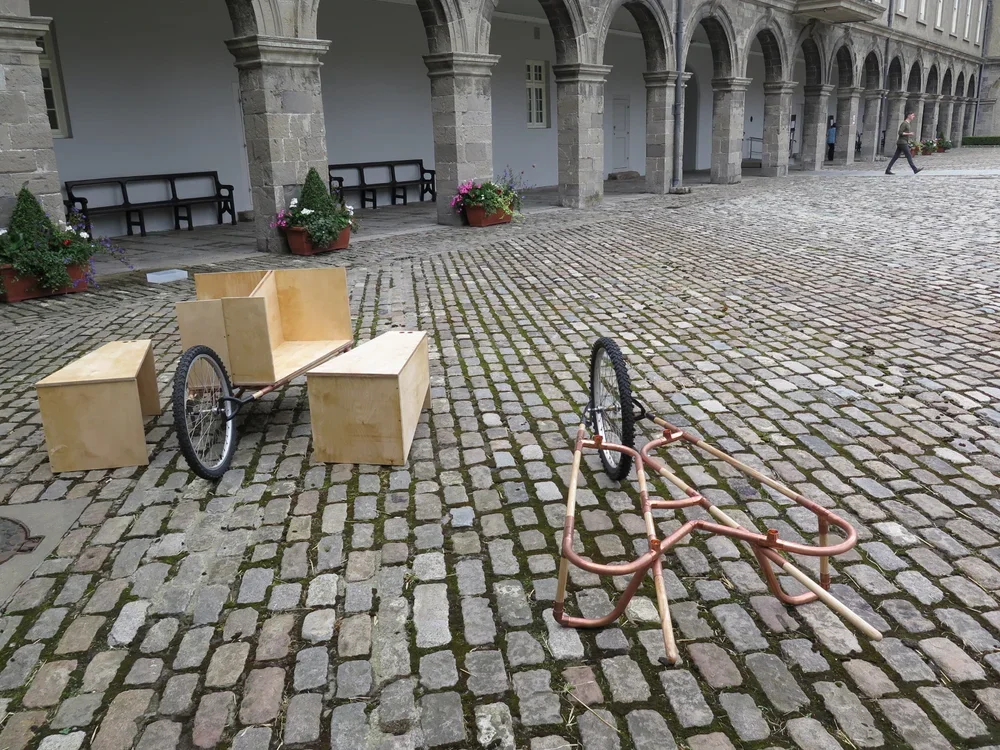
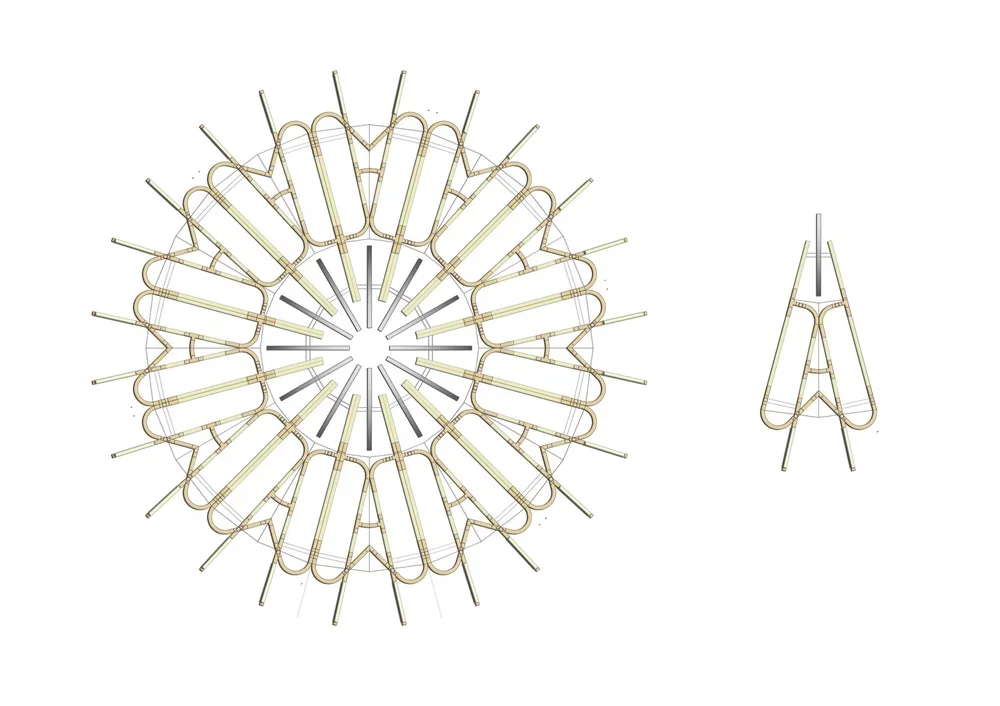
The project centres on a mobile outdoor classroom: a wheelbarrow reimagined as a space for learning. Traditionally associated with farming and manual labour, the wheelbarrow becomes a place to meet, make work and exchange ideas. It invites people to come together, share knowledge and think about how we relate to land.
The project considers Ireland's relationship with land, labour and the commons, asking who owns land, who has access to it and how it might be used differently. These questions connect with my wider practice, which explores food, sustainability and how we live with the environments around us.
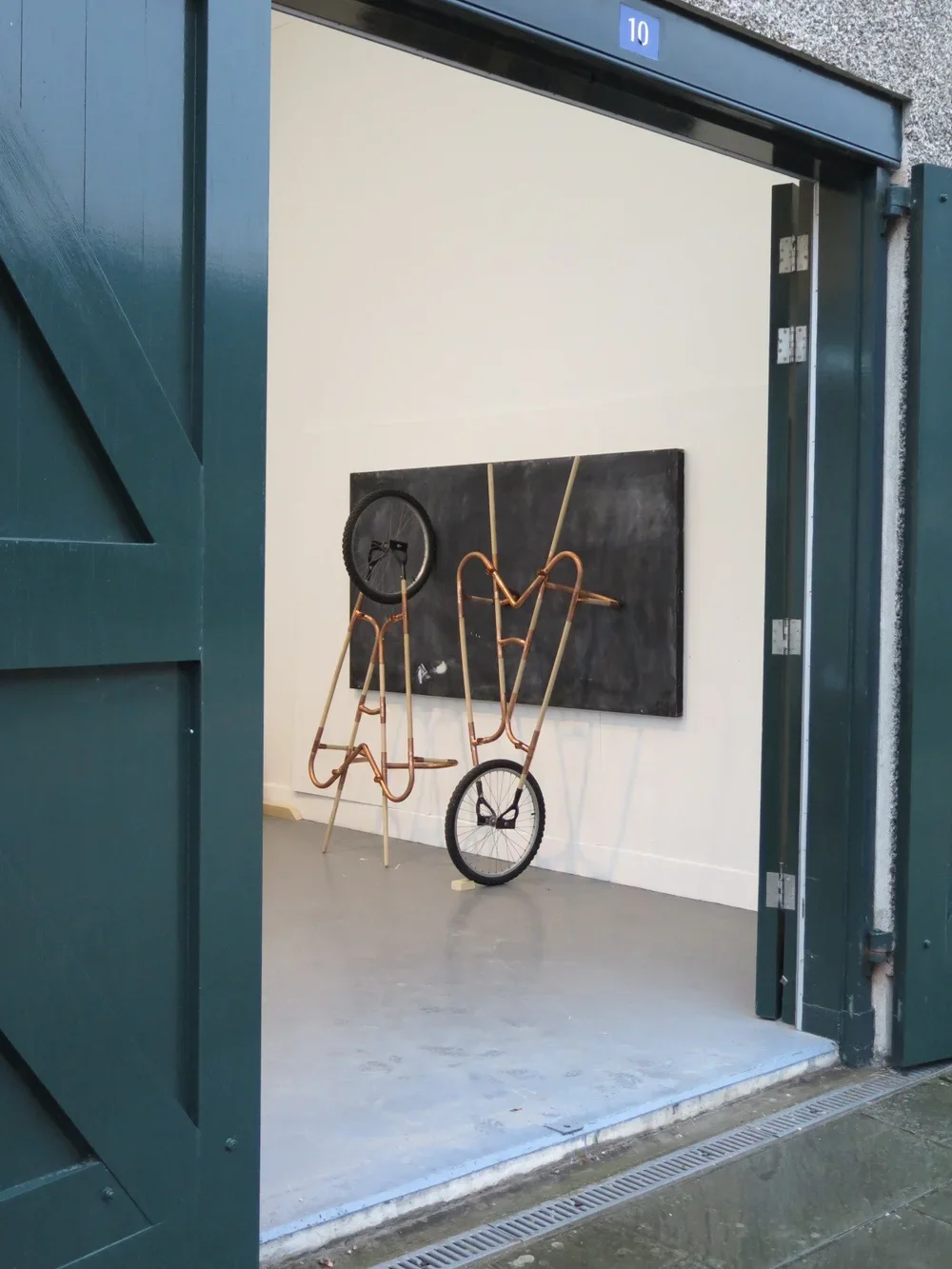
Designed to move between the gallery and the landscape, Revolving School encourages participants to learn through direct experience. Workshops have included walking, planting, growing food, researching local histories and making work outdoors. The wheelbarrow carries tools and materials, but it also acts as a reminder that knowledge is something we carry and build together.
Revolving School is an ongoing project by Seoidín O'Sullivan.
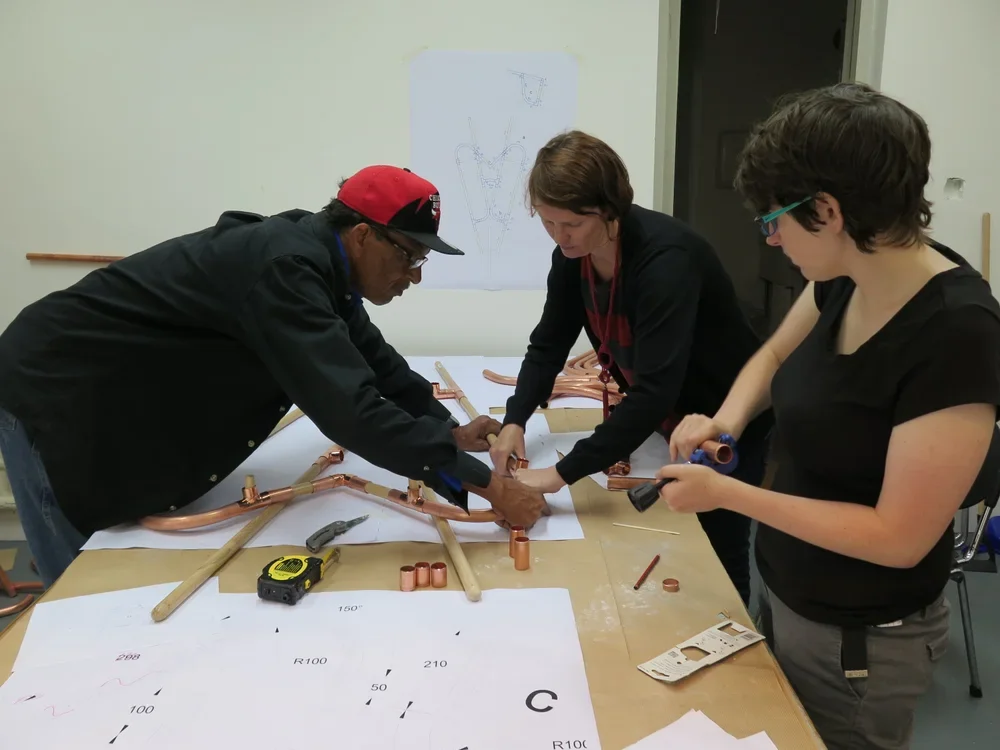
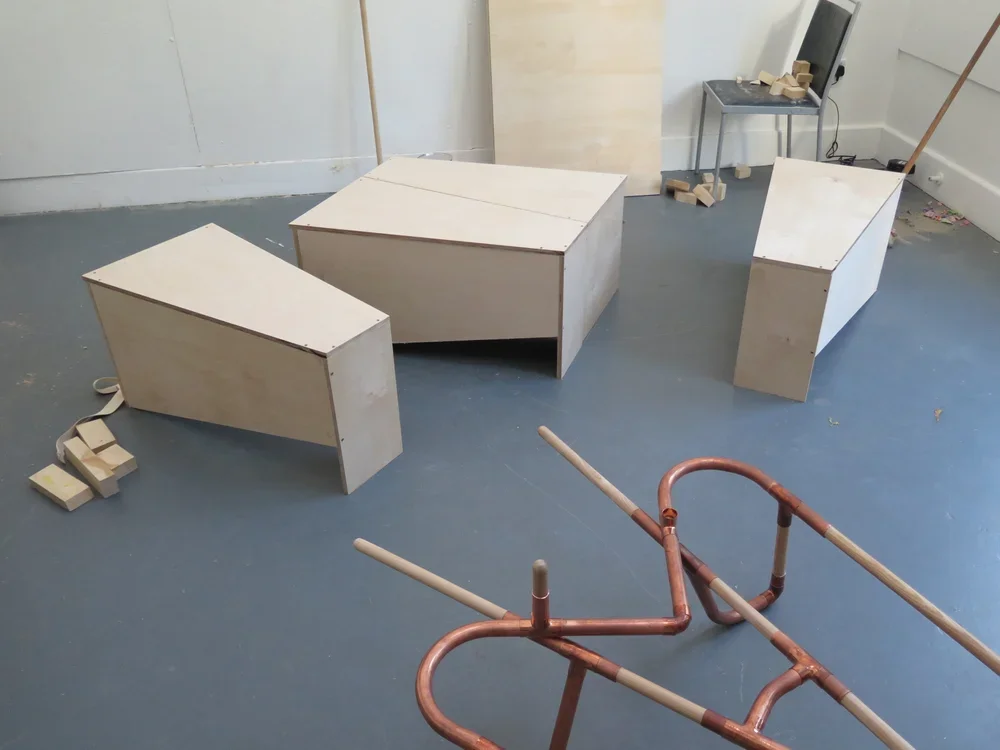
The mobile infrastructure was designed in collaboration with architect Karol O'Mahony.
LThe project is informed by histories of radical education in Ireland, including Hedge Schools, the educational work of Countess Markievicz, P. H. Pearse's writing on education and Joseph Beuys' proposal for the Free International University. These references shape the project's understanding of education as something that happens through participation rather than instruction.
There is no fixed curriculum. Each version of Revolving School responds to the place where it is made and to the people taking part. Together, participants explore local histories, current questions around land and the knowledge already present within a community.