Coin Tricks

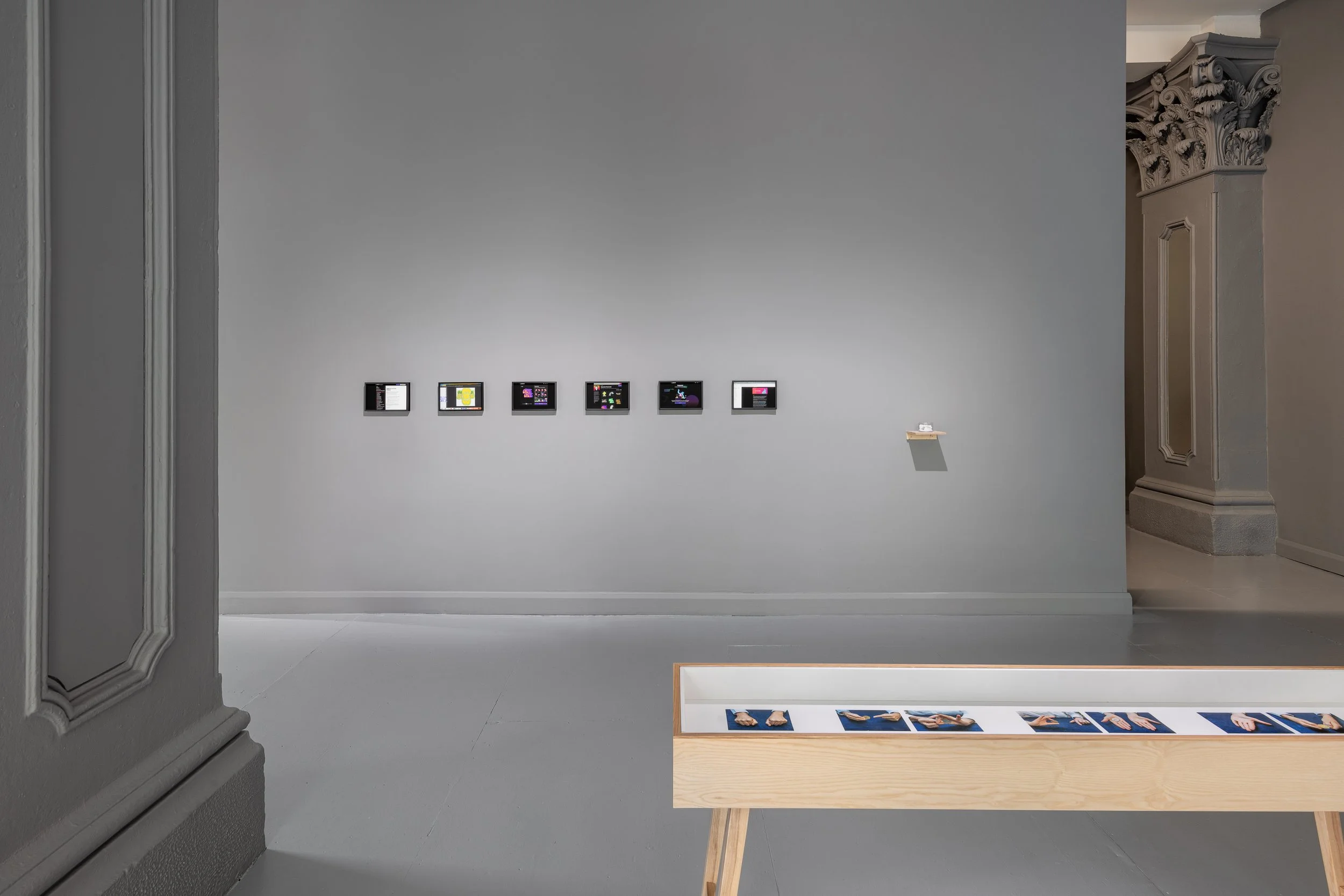
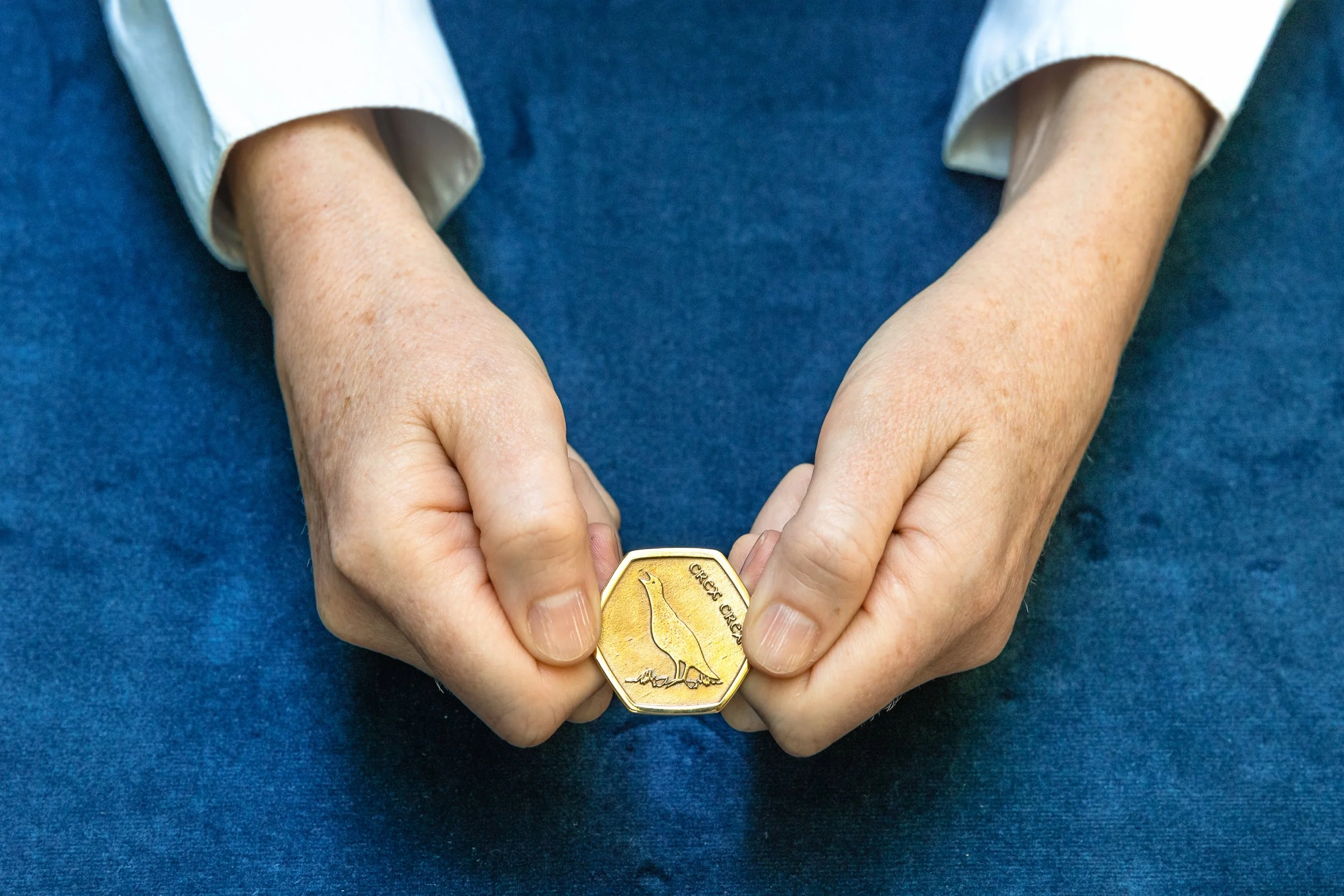
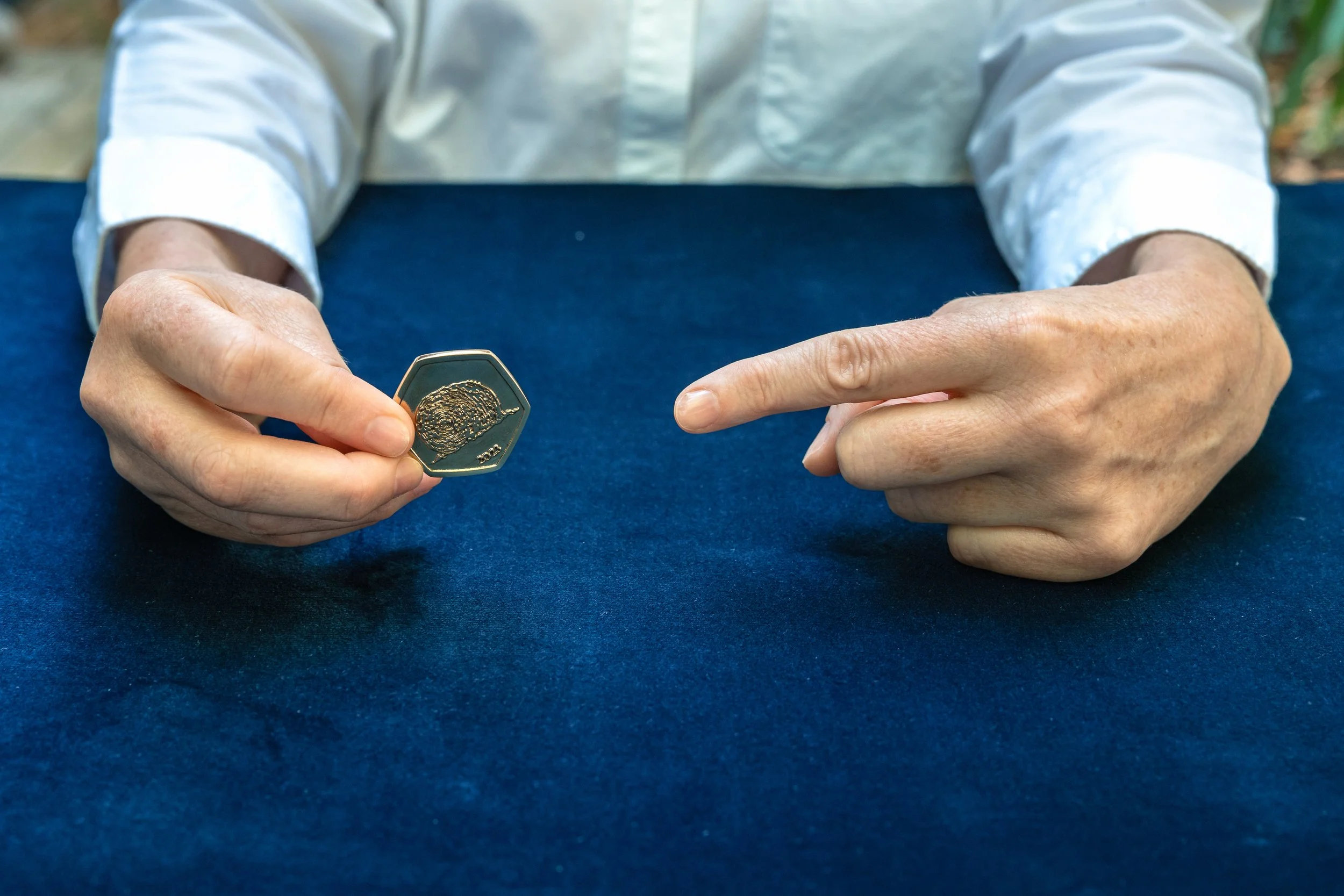
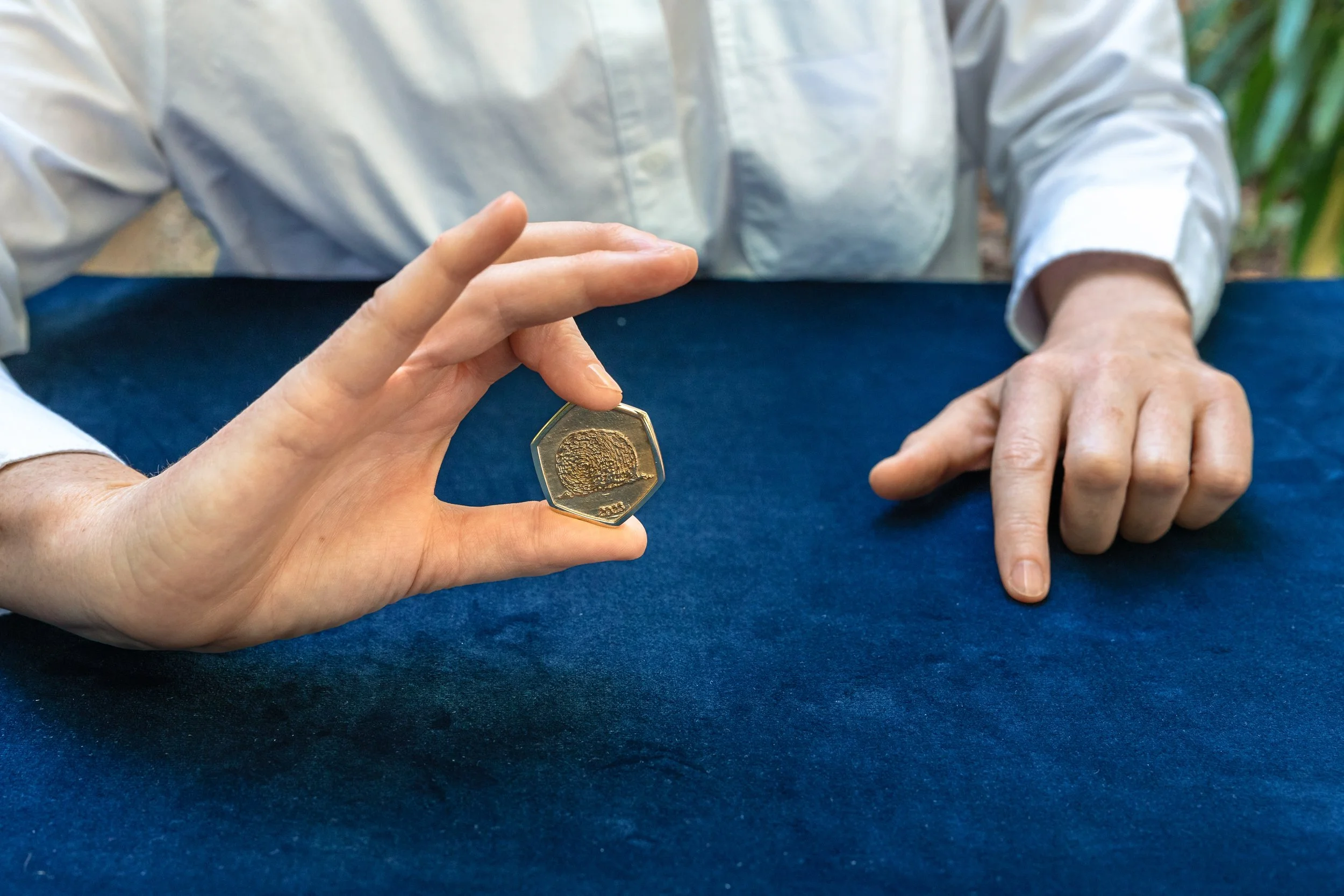
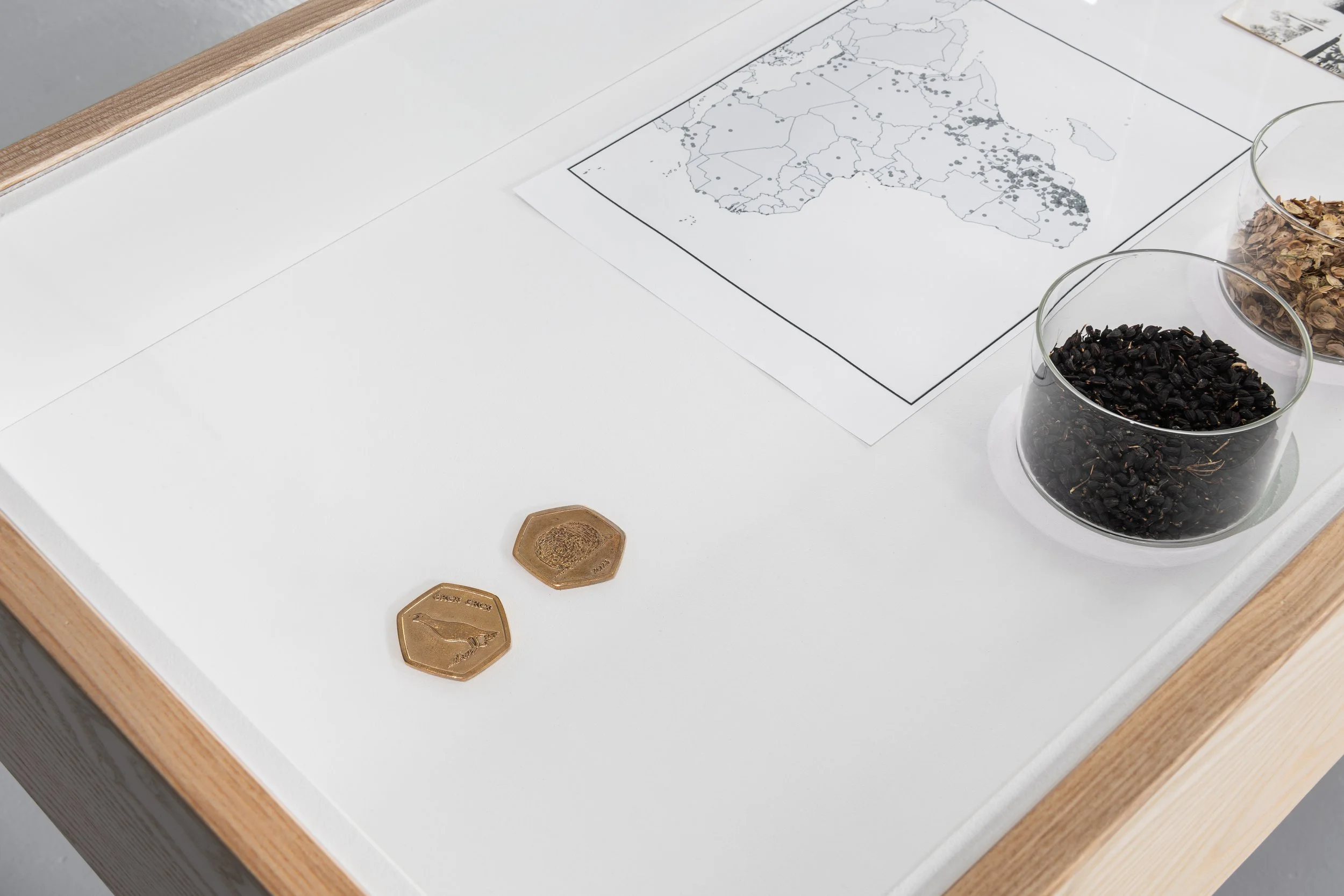
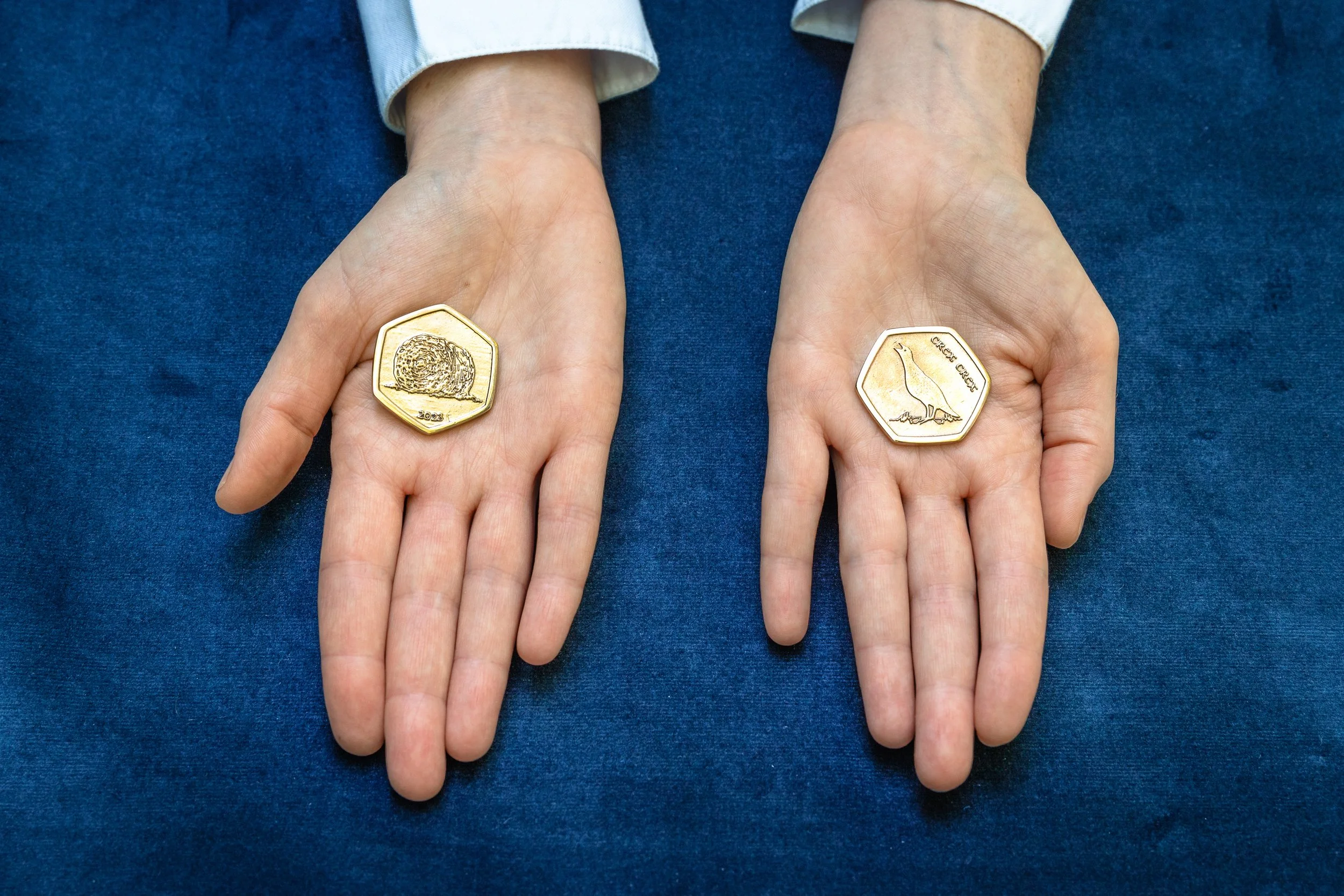
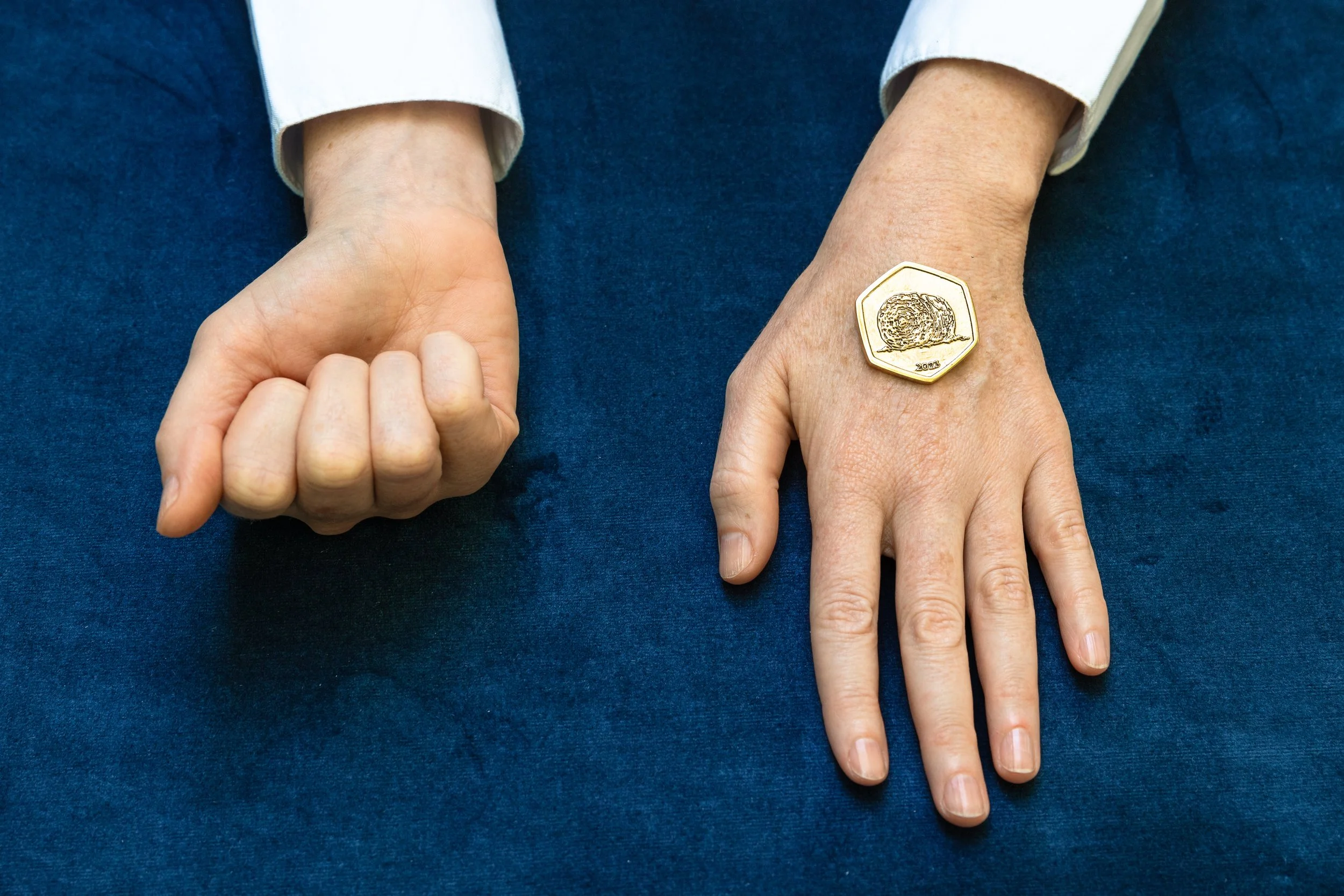
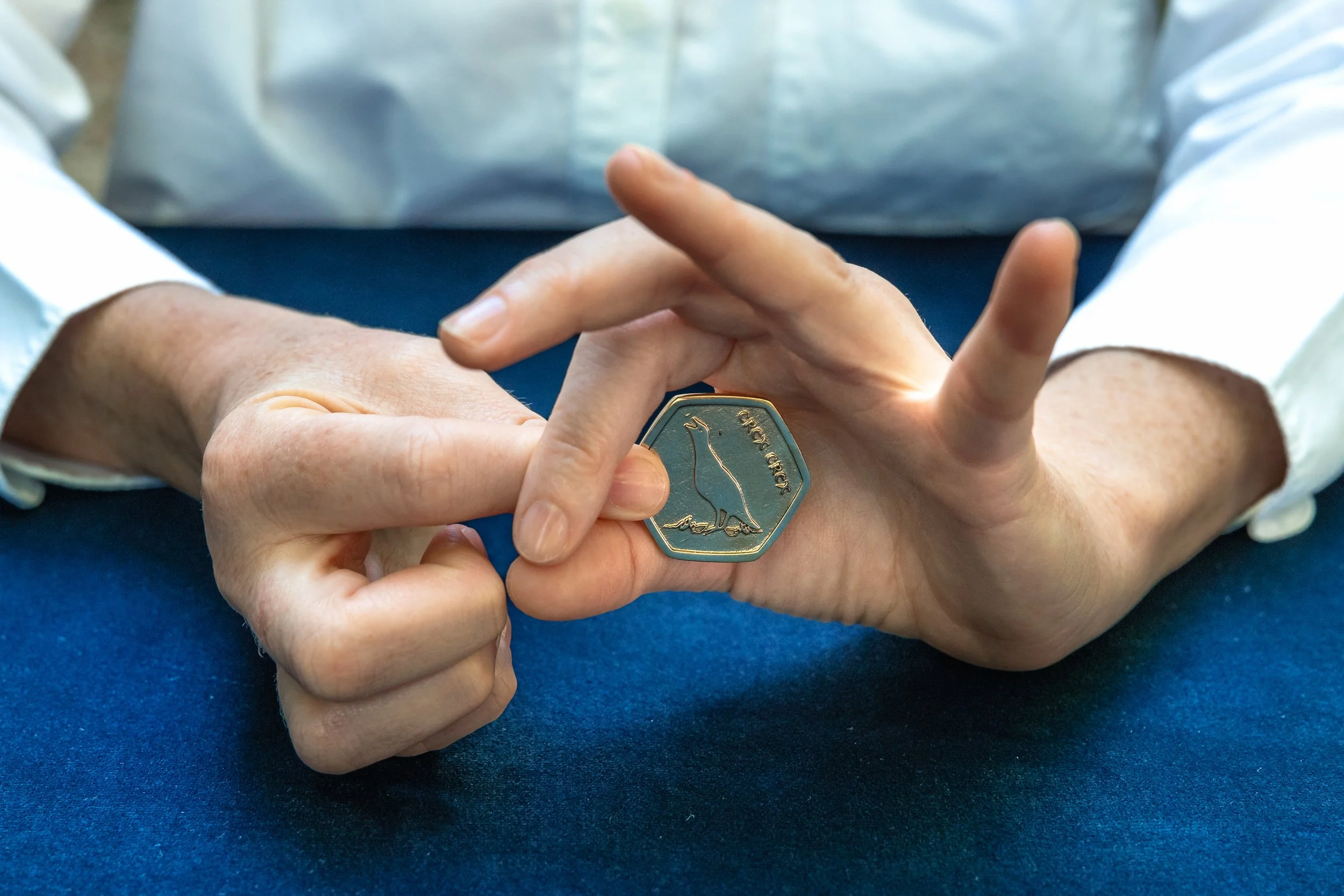
Corncrake Tricks for Ormston House exhibition The Sky is Falling https://ormstonhouse.com/programme/the-sky-is-falling/ The corn crake dollar is a currency — an artwork given in exchange to those who collected seed to help reestablish habitat for the nearly extinct bird in Northern Ireland, Mayo and Donegal. It reframes conservation as a transaction, and a wager.

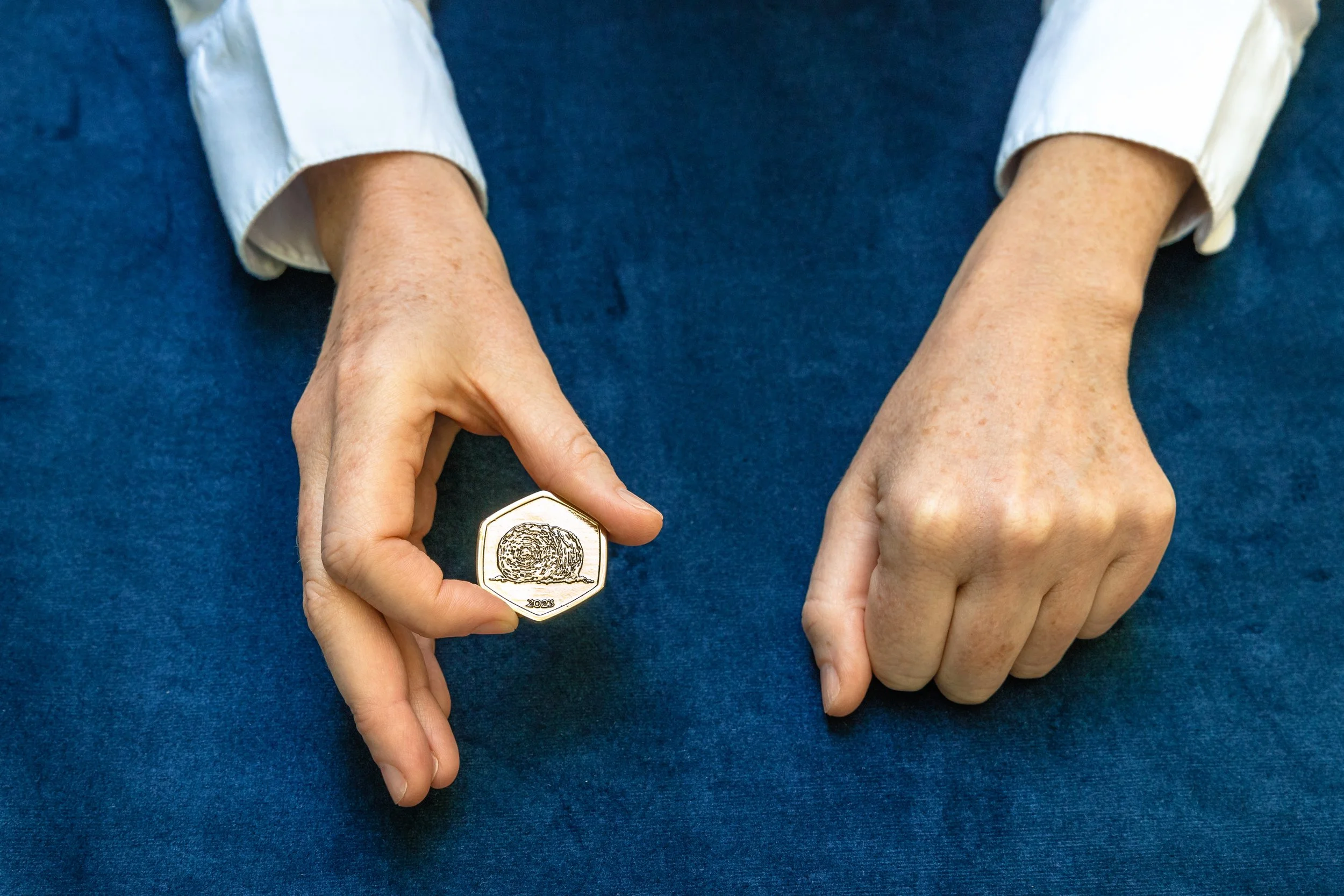
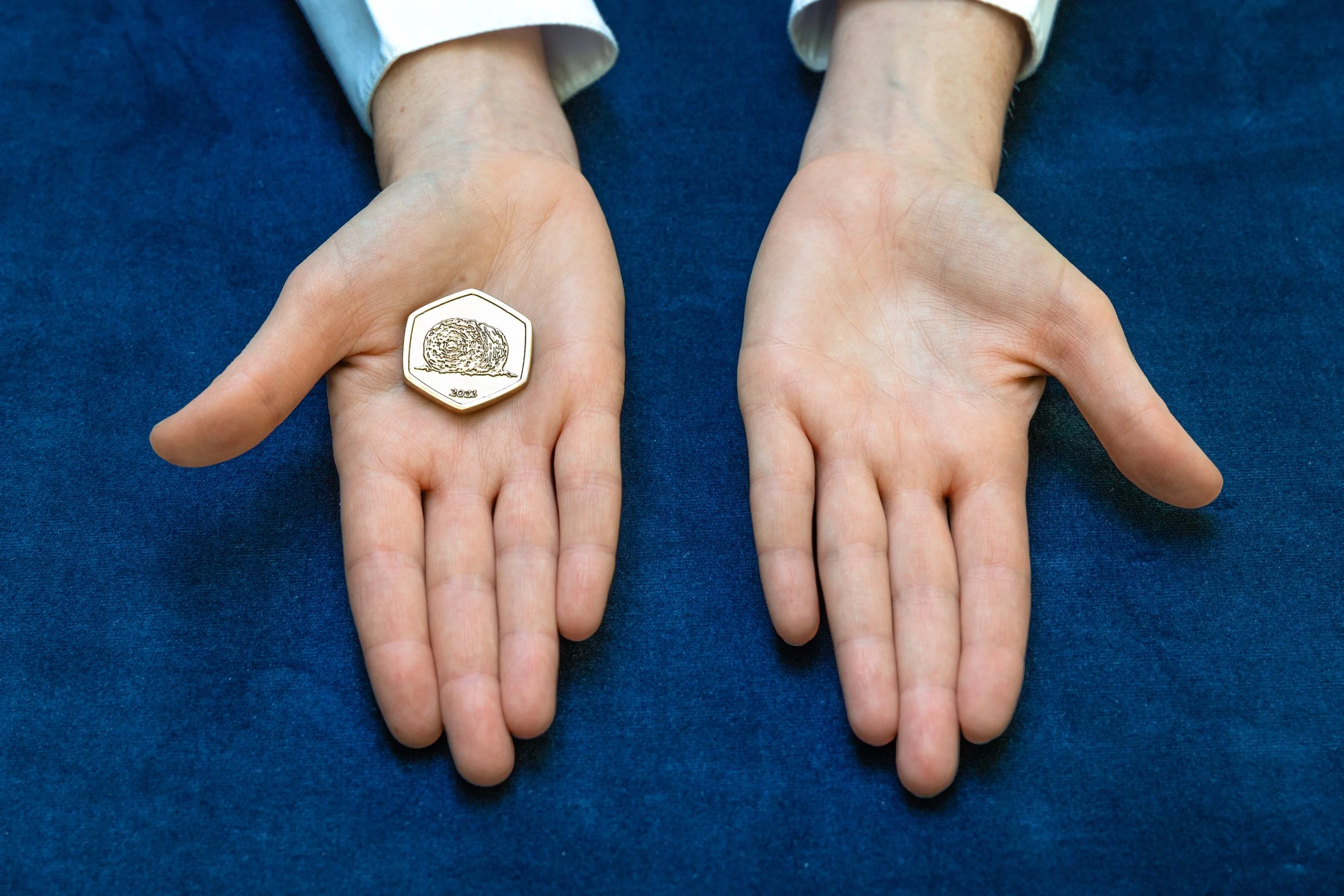
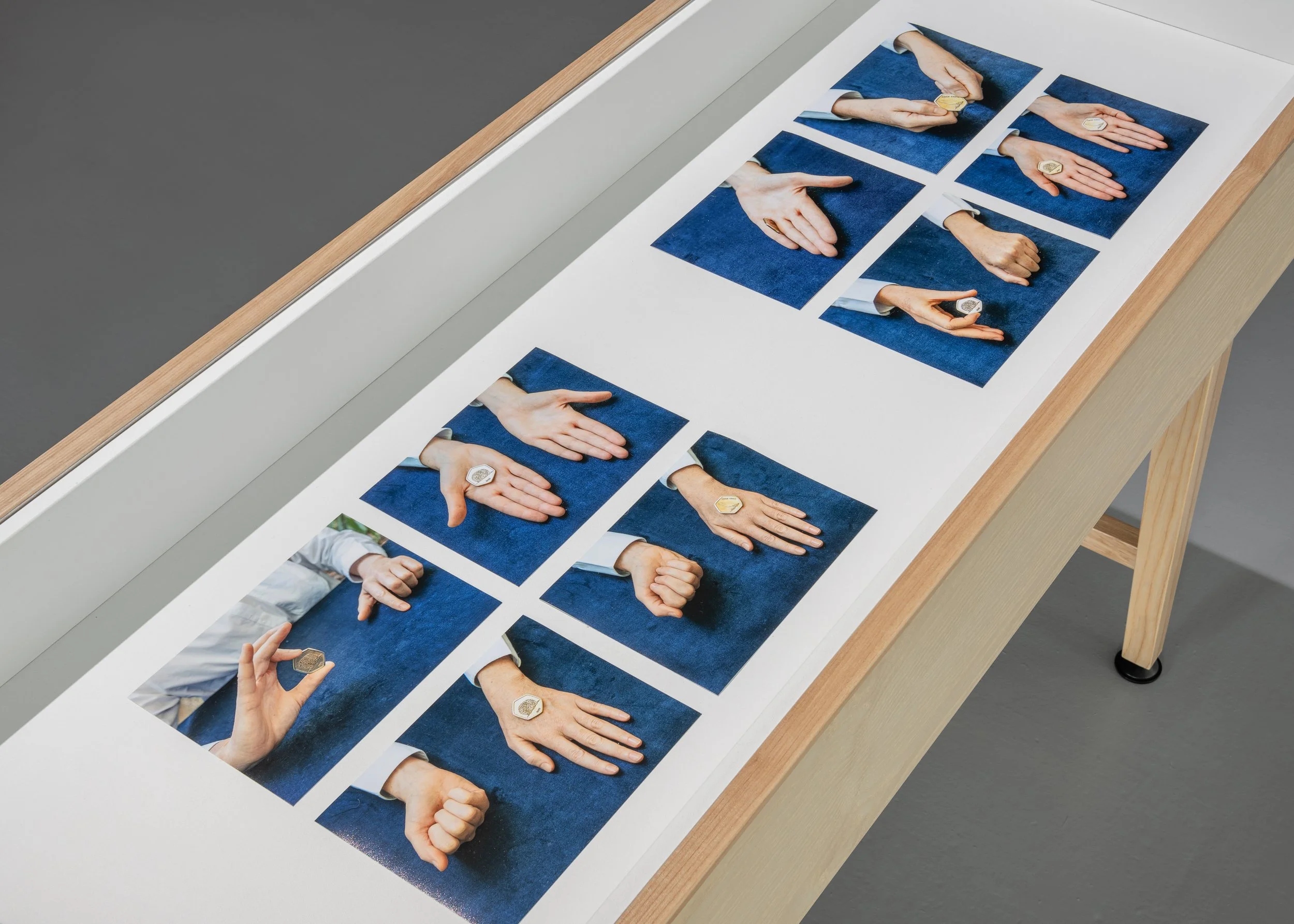
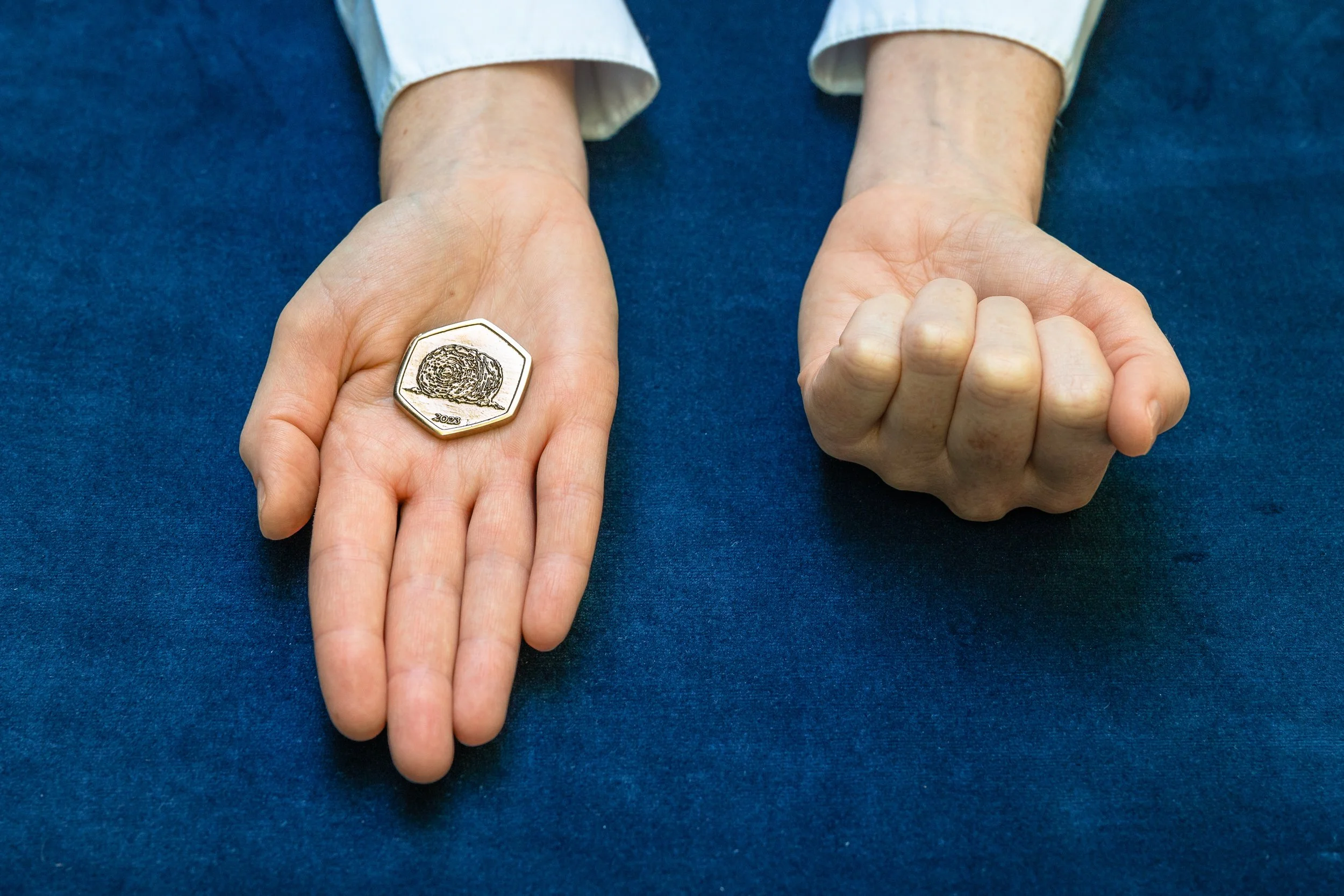
The accompanying photographic works mimic the sleight-of-hand gestures of a magician, a fitting image for the gamble at the heart of the piece: the corncrake's survival is closely tied to farming and economic policy, and in playing that gamble, we risk the bird's extinction alongside our own.

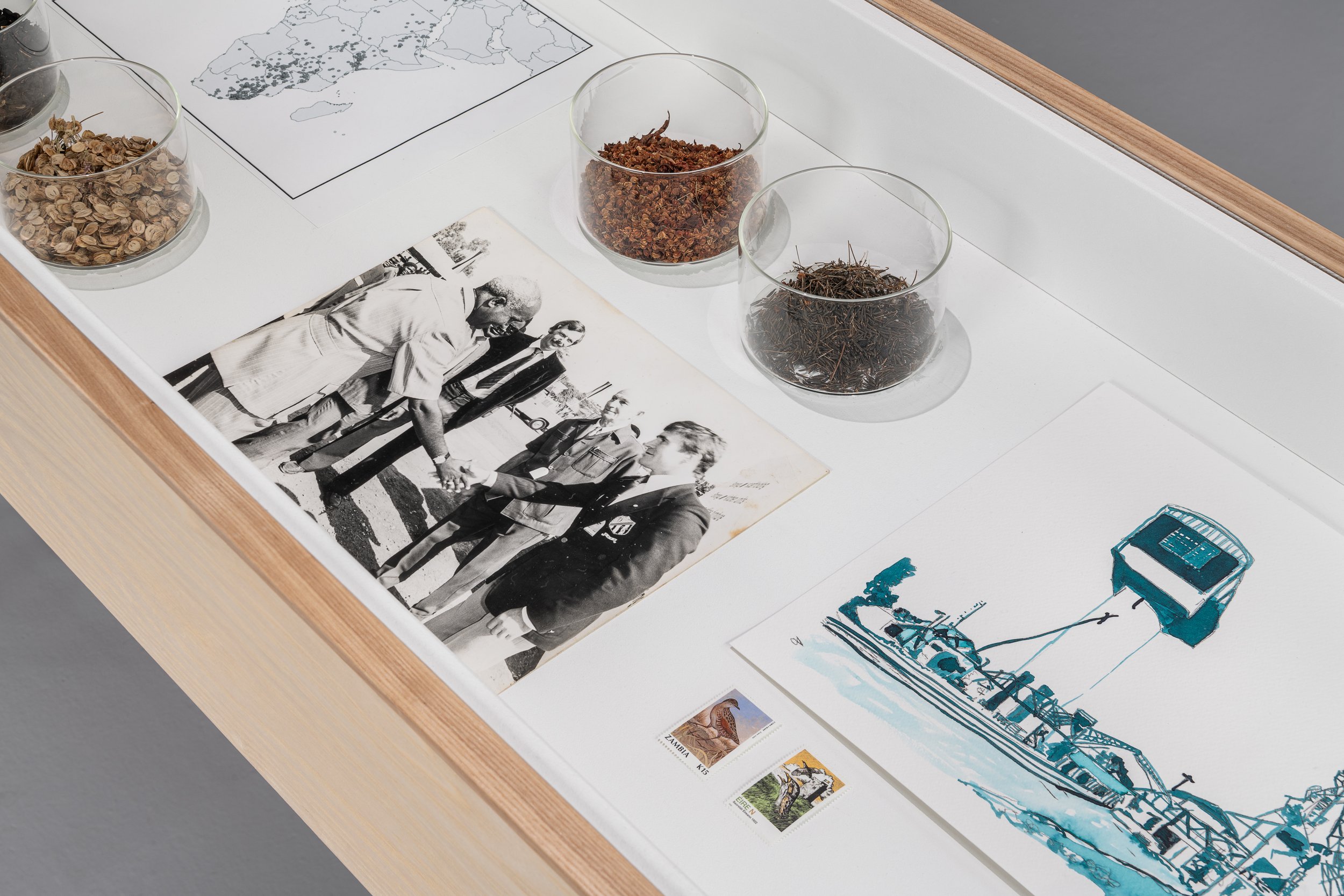
The work also carries a personal thread. The corncrake migrates between Ireland , southern Africa, including Zambia and South Africa, where I grew up. Tracking the bird's decline in numbers between 1977 and 2023 — a population now beginning to recover through the EU LIFE project — became a way of tracing my own movement between these places.

Fabric elements in the work are drawn from postage stamps depicting corncrakes, sourced from Eastern European and African countries where the bird is found.

The work was exhibited in Ormston House in 2023 as part of a group exhibition The Sky is Falling https://ormstonhouse.com/programme/the-sky-is-falling/

“Ormston House is delighted to present The Sky is Falling!, a group exhibition featuring contributions from Ceara Conway, Seoidín O’Sullivan, Scott Rogers, and Christopher Steenson. Featuring new and existing works, the exhibition is the culmination of several years of research into the corncrake, a species of bird approaching extinction in Ireland and the UK.”

Corncrakes are small, migratory birds that move between Europe and sub-Saharan Africa. They are shy and elusive, living in the cover of long grasses, crops, and other tall vegetation. While rarely seen, they are easily identifiable by their call: a loud, almost mechanical-sounding noise that was once a prominent feature in the soundscapes of rural Ireland. In Irish folklore, the corncrake is said to have lain on its back in the long grass, with its two legs pointed upward, and boastfully exclaimed “Tréan le tréun, tréan le tréun” (strength to the corncrake, strength to the corncrake). According to this lore, the birds saw themselves as our defenders, preventing the sky from collapsing around us.

In the last fifty years, the number of corncrakes in Ireland has declined drastically. The shift to industrial-scale agriculture has almost eradicated their breeding habitats (along with a diverse array of other species). And while the sky may not have come crashing down to earth, the corncrake’s disappearance exposes the severe environmental degradation that results from profit-driven and extractive approaches to living from the land. Today, surviving populations can only be found along the outermost peripheries of our western coastline, in the Gaeltacht regions of Donegal, Galway, and Mayo.

The roots of this exhibition date back to 2022, when Ormston House partnered with Corncrake LIFE, a conservation project working with farmers to improve habitat for the bird. We connected artists with ecologists, landowners, and rural communities to learn about the corncrake, its decline, and the social and political context in which conservation work is implemented.

Next
Next

crex, crex, crex for EVA International, 2023